Rewiring an Older Home: Signs, Costs, and Safety Considerations

Rewiring an older home is one of the most important safety upgrades a homeowner can make. Electrical systems naturally degrade over time, and outdated wiring may not handle modern power demands. Understanding the warning signs, potential costs, and safety concerns helps homeowners make informed decisions before problems become dangerous.
Signs Your Home May Need Rewiring
Older electrical systems often show clear warning signs. Frequent circuit breaker trips are one of the most common indicators that wiring is overloaded or deteriorating.
Flickering or dimming lights, especially when appliances turn on, can signal inconsistent electrical flow. You may also notice warm outlets, buzzing sounds from switches, or a burning smell near walls—each of which suggests wiring issues behind the surface.
Homes with older fuse boxes or knob-and-tube wiring are especially at risk, as these systems were not designed for today’s electrical loads.
Safety Risks of Outdated Wiring
Old or damaged wiring increases the risk of electrical fires, shocks, and equipment failure. Insulation can crack or degrade over time, exposing live wires inside walls.
Loose connections may create arcing, which generates heat and can ignite surrounding materials. These risks make early inspection and upgrades critical for long-term safety.
What Rewiring a Home Involves
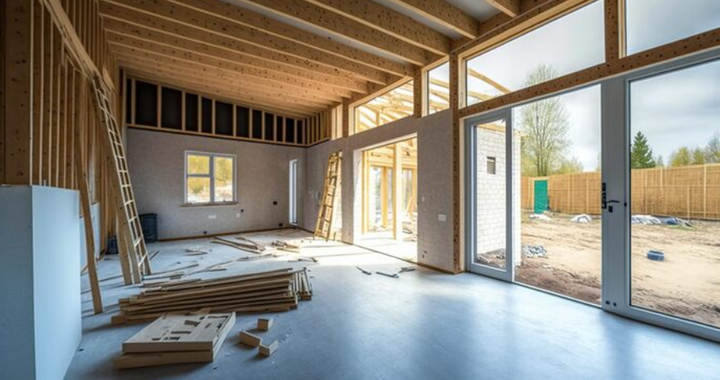
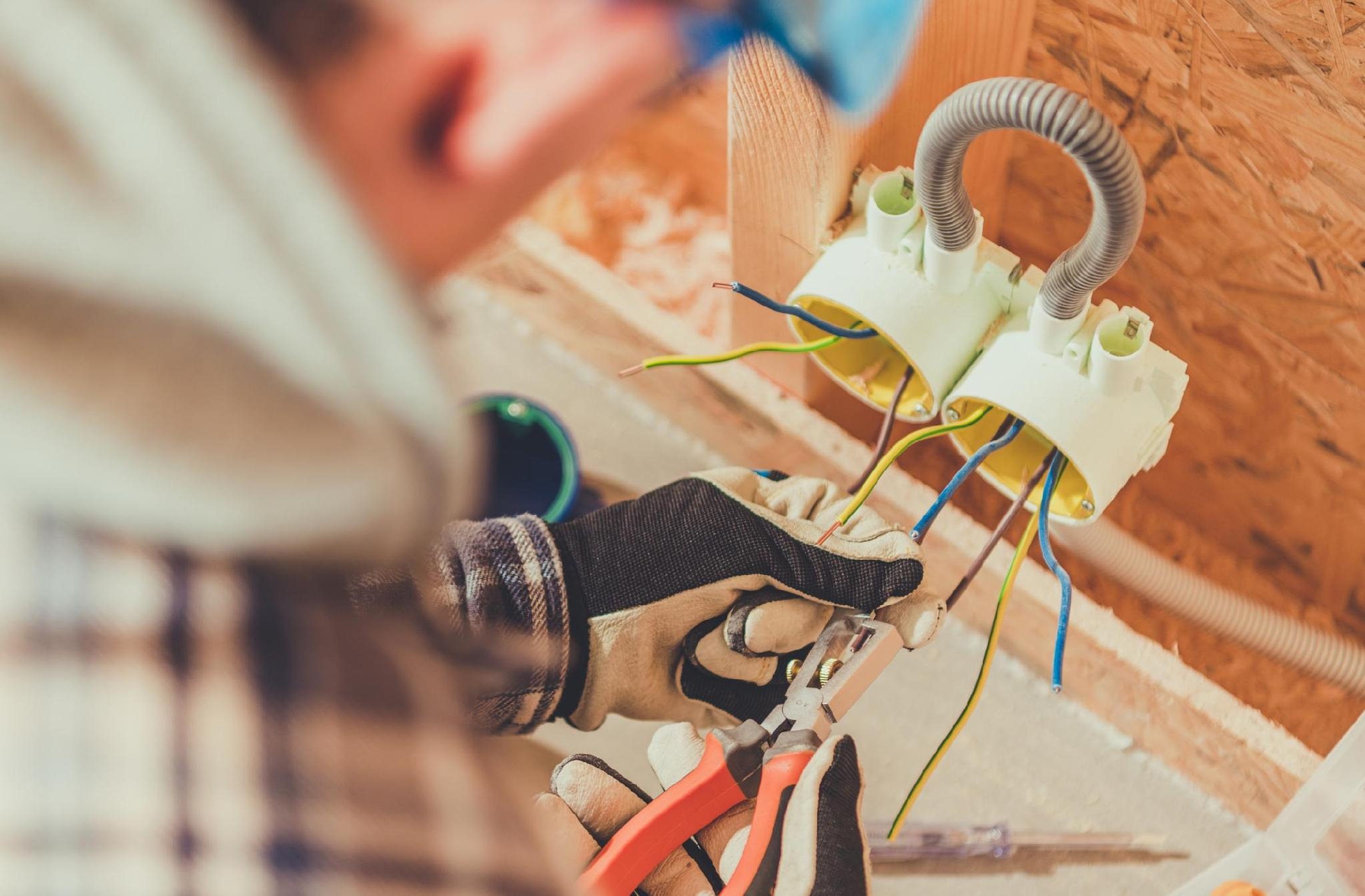
Rewiring typically includes replacing old wiring, upgrading outlets and switches, and installing a modern breaker panel. Electricians may need to open walls, ceilings, or floors to access existing wiring paths.
The process can vary depending on the home’s age, layout, and accessibility of electrical systems. In some cases, partial rewiring is possible, while others require a full system replacement.
Cost Factors to Consider
The cost of rewiring depends on several factors, including home size, labor complexity, and material requirements. Older homes with limited access to wiring channels usually require more labor, which increases overall cost.
Upgrading the electrical panel, adding new circuits, or bringing systems up to current code standards can also affect pricing.
While rewiring is a significant investment, it often prevents far more expensive damage or emergency repairs in the future.
When to Take Immediate Action
If you experience repeated electrical issues, burning smells, or visible wiring damage, immediate inspection is necessary. Delaying repairs can increase fire risk and lead to system failure.
Homes with outdated wiring should be evaluated by a licensed electrician, even if no obvious problems are present.
Final Thoughts
Rewiring an older home is not just an upgrade—it is a critical safety improvement. By recognizing early warning signs and understanding the scope of the work, homeowners can protect their property, reduce fire risk, and ensure their electrical system meets modern standards.
This post was written by a professional at DeCort Electrical Solutions, Inc. We are a family-owned and operated residential and commercial electrical contractor proudly serving our local community. Our licensed electricians handle everything from electrical repairs and upgrades to new construction and commercial projects. We are a Certified Generac Dealer and Partner, specializing in whole-home and commercial generator installation, maintenance, and repair to keep your power on when it matters most. Known for honest pricing, quality workmanship, and dependable service, we’re committed to safety, reliability, and long-term solutions. Whether you need electrical troubleshooting, panel upgrades, or backup power systems, you can trust our experienced team to get the job done right.