The Future of Property Development and Solar Energy in Queensland

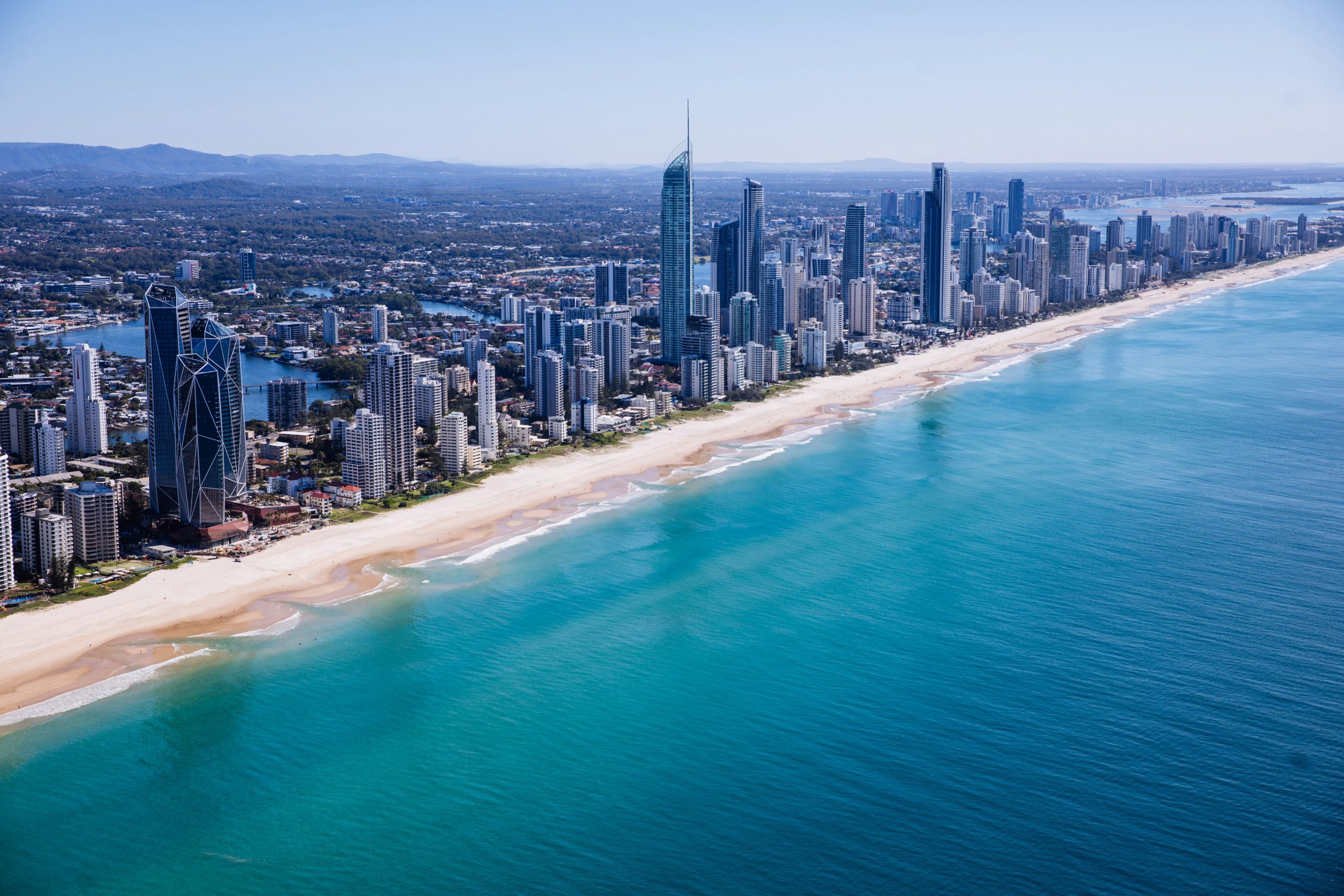
Queensland’s property market is evolving. As Brisbane and the Gold Coast continue to attract new residents, businesses and investment, the demand for modern, comfortable and sustainable homes is also growing. Property developers are increasingly looking at how design, technology and energy efficiency can come together to create better places to live.
At the same time, renewable energy is becoming an important consideration for Australian households and businesses. Solar power, energy-efficient appliances and modern hot water technologies are changing the way properties consume and manage energy.
The future of Queensland property development is therefore about more than simply building new homes. It is about creating properties that respond to changing lifestyles, environmental considerations and the long-term needs of the people who live in them.
How Queensland Property Development Is Changing
Queensland has experienced considerable growth, particularly in major areas such as Brisbane and the Gold Coast. This growth has created opportunities for new residential developments that combine modern architecture with practical living spaces and access to important lifestyle amenities.
For buyers exploring new developments Gold Coast, factors such as location, design, construction quality and sustainability can all influence the appeal of a new property.
Modern developments are increasingly designed with a greater focus on how residents will use their homes. Natural light, ventilation, outdoor spaces and energy efficiency can all contribute to a more comfortable living environment.
Sustainability is also becoming a more important part of the conversation. Developers are considering how properties can be designed to use resources more efficiently while maintaining the comfort and lifestyle expectations of modern homeowners.
The Growing Importance of Sustainable Design
Sustainable property development involves much more than installing renewable energy technology. It begins with the way a property is planned and designed.
The Australian Government’s Department of Climate Change, Energy, the Environment and Water provides information and resources on Australia’s transition to net zero emissions, renewable energy and energy efficiency. These national priorities are also influencing how the property and construction sectors think about the future of sustainable buildings and energy use.
The orientation of a building can influence how much natural light it receives. Good ventilation can help improve indoor comfort, while insulation can help regulate indoor temperatures. Energy-efficient appliances and lighting can also reduce unnecessary energy consumption.
Other considerations may include:
- Efficient building materials
- Water-saving fixtures
- Energy-efficient lighting
- Natural ventilation
- Passive solar design
- Renewable energy systems
- Efficient heating and hot water solutions
- Landscaping that complements the local environment
When these elements are considered together, they can help create properties that are more comfortable and efficient.
For buyers, this can mean looking beyond the appearance of a new home or apartment and considering how the property is designed to perform over time.
The Role of Solar Energy in Modern Properties
Solar energy is one of the most established renewable energy technologies available to Australian households and businesses.
Queensland’s climate makes solar power an attractive option for many property owners. Solar panels can generate electricity from sunlight, helping households and businesses produce some of their own energy.
However, the transition towards more sustainable properties involves more than solar panels alone.
Energy efficiency also depends on how electricity and other resources are consumed. Hot water systems, heating and cooling equipment and other appliances can all influence a property’s overall energy requirements.
This is why property owners may consider a combination of renewable energy and energy-efficient technologies. For example, businesses and property operators looking for efficient hot water solutions may explore options such as swimming pool heat pumps brisbane as part of a broader approach to managing energy use.
The right combination of technologies will depend on the property, its location and how the building is used.
What Energy Efficiency Means for Property Buyers
For people purchasing a new property, energy efficiency can be an important consideration alongside price, location and design.
Before buying, prospective homeowners may want to consider:
- How much natural light does the property receive?
- Is the building designed for good airflow?
- What insulation has been used?
- Are energy-efficient appliances included?
- Is solar power available or installed?
- What type of hot water system does the property use?
- Are there features that may help reduce energy consumption?
These questions can provide a broader understanding of how a property may perform in everyday use.
Energy-efficient features may also contribute to long-term comfort and potentially help manage household operating costs. While individual results will vary, understanding a property’s energy performance can help buyers make more informed decisions.
Brisbane and the Gold Coast: Two Important Property Markets
Brisbane and the Gold Coast are both significant areas of growth in Queensland, but each offers a different lifestyle and property environment.
Brisbane is a major employment, education and business centre. Its expanding infrastructure and growing population continue to support demand for residential properties in established and emerging suburbs.
The Gold Coast offers a different combination of lifestyle, tourism, beaches and residential opportunities. Its appeal to residents and visitors has helped create demand for modern apartments and housing across the region.
As these markets develop, new residential projects have the opportunity to incorporate modern design principles and energy-conscious features.
For developers, this means understanding what today’s buyers value. For buyers, it means considering not only where a property is located but also how it has been designed and what features it offers.
Designing Homes for a Changing Future
The property industry is entering a period where sustainability and technology are becoming increasingly connected.
Smart home technology can help residents monitor and manage energy consumption. Solar panels can generate renewable electricity, while battery storage can provide another way to manage energy generated on-site.
Energy-efficient hot water systems and appliances can further reduce unnecessary energy use.
These technologies are particularly relevant when they are considered during the design and planning stages of a development. Good planning can create opportunities to integrate sustainability into the overall property rather than adding individual technologies as an afterthought.
The result can be a more cohesive approach to modern residential development.
The Importance of Location and Lifestyle
Sustainability is only one part of what makes a successful property development.
Location remains a major consideration for buyers. Access to public transport, schools, employment centres, shopping, restaurants and recreational facilities can all influence the desirability of a property.
The Gold Coast, for example, offers a combination of coastal living and urban amenities, while Brisbane provides access to a diverse employment and cultural environment.
The strongest developments are often those that combine these lifestyle benefits with thoughtful design.
A well-planned property can provide residents with a comfortable home while also connecting them to the wider community.
The Future of Queensland Property
As Queensland continues to grow, property development will continue to play an important role in meeting housing demand.
At the same time, sustainability is likely to become an increasingly important consideration for developers and buyers.
The future may see greater integration between property development and renewable energy technologies. Solar power, energy-efficient hot water systems, battery storage and smart energy management could all become more common features of modern properties.
However, sustainable development is not simply about adding technology. It is about making better decisions throughout the design and construction process.
The orientation of a building, the choice of materials, the use of natural light and ventilation, and the integration of energy-efficient systems can all contribute to a property’s overall performance.
Building a More Sustainable Future
The future of Queensland property development presents an opportunity to create homes and communities that respond to both current and future needs.
For developers, this means thinking about how properties can combine design, lifestyle and sustainability. For buyers, it means looking more closely at the features that can influence comfort, efficiency and long-term living.
Solar energy and other renewable technologies will likely continue to play a role in this transition. When combined with thoughtful architecture and efficient building design, these solutions can contribute to a more sustainable approach to property development.
As Brisbane and the Gold Coast continue to grow, the properties of the future will need to balance lifestyle, practicality and environmental responsibility.
The next generation of Queensland homes may therefore be defined not only by how they look, but also by how efficiently they operate and how well they serve the people who live in them.