How to Choose the Right EV Charger for Your Home

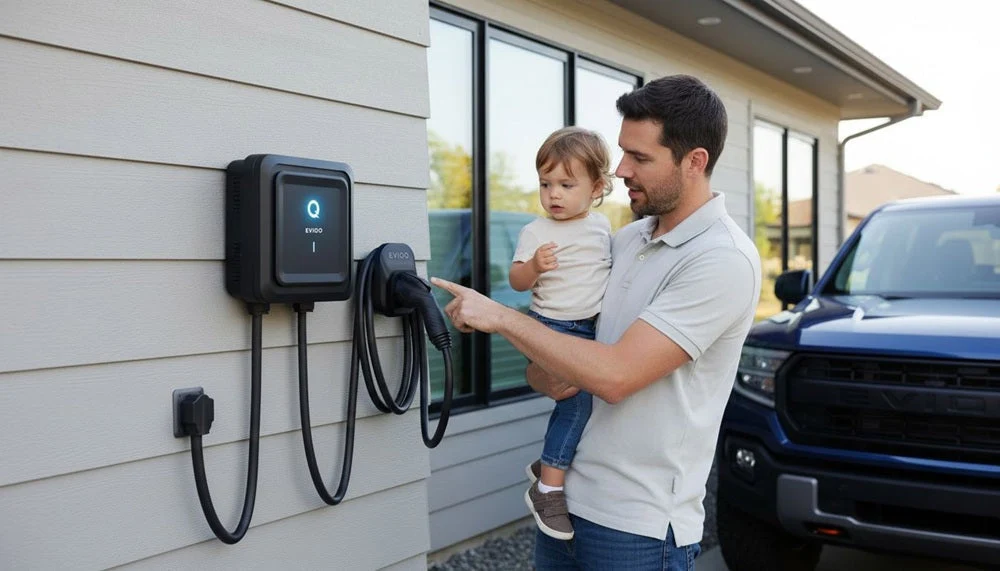
Bringing an electric vehicle home changes more than just the type of car sitting in your garage. It also changes how you think about refueling. Instead of visiting a gas station, you can charge your vehicle while it is parked, often overnight.
For many EV owners, home charging is one of the most convenient parts of owning an electric vehicle. However, choosing a charger can be confusing. There are different charging levels, power ratings, connection requirements, cable lengths, smart features, and installation considerations to think about.
The right charger depends on your vehicle, driving habits, electrical system, and where you plan to install it. Before purchasing equipment, consider the following factors.
1. Start With Your Vehicle
The first step is to check your vehicle manufacturer’s charging specifications.
Electric vehicles do not all accept the same charging speeds. Your vehicle may have a maximum AC charging rate that limits how much power it can actually receive.
For example, purchasing a high-powered charger does not necessarily mean your vehicle will charge at that maximum rate. The vehicle’s onboard charging system determines how much AC power it can accept.
Check your owner’s manual or manufacturer’s specifications for information about:
- Maximum AC charging speed
- Required connector
- Recommended charging equipment
- Charging voltage
- Compatible charging networks
- Battery capacity
Understanding these specifications helps prevent you from purchasing equipment that does not match your vehicle.
2. Understand Level 1 and Level 2 Charging
Residential EV charging is commonly divided into Level 1 and Level 2.
Level 1 charging typically uses a standard household electrical outlet. It is simple and convenient, but charging is relatively slow. For drivers with short daily commutes and plenty of time between trips, this may be sufficient.
Level 2 charging operates at a higher voltage and can provide significantly faster charging. It usually requires a dedicated electrical circuit and professional installation.
For homeowners who regularly drive longer distances or want faster overnight charging, Level 2 is often the option worth considering.
The important point is that faster charging also means greater electrical demand, so the home’s electrical system needs to be evaluated before installation.
3. Check Your Electrical Panel
Before purchasing a Level 2 charger, take a look at your home’s electrical service.
Your electrical panel may already supply power to several high-demand appliances, including:
- Air conditioners
- Electric furnaces
- Water heaters
- Clothes dryers
- Electric ovens
- Heat pumps
- Other large appliances
An EV charger adds another significant electrical load. Depending on the home’s existing capacity, there may or may not be enough room for the additional demand.
This is one reason homeowners should have the electrical system assessed before buying equipment.
Homeowners in the Minneapolis area can consult Edison Electric Inc when they need professional assistance evaluating residential electrical requirements.
4. Determine How Much Charging You Actually Need
Your daily driving habits should influence your charger choice.
Think about how many miles you normally drive each day. Someone who drives 20 miles for work may have very different requirements from someone who drives 80 miles daily.
Also consider how long the vehicle typically remains parked at home.
If your vehicle sits in the garage for 10 or 12 hours every night, you may not need the fastest charger available. If you frequently arrive home with a low battery and need to drive again soon, faster charging could be more valuable.
The goal is to match the charger to your actual routine rather than automatically choosing the highest-powered model.
5. Think About Installation Location
The location of the charger can affect both convenience and installation requirements.
A garage is a popular choice because the vehicle is protected from weather and the charger can often be installed close to the electrical infrastructure.
However, some homeowners park in a driveway or need an exterior installation.
Before selecting equipment, consider:
- Where the vehicle is normally parked
- Distance from the electrical panel
- Cable length
- Wall availability
- Weather exposure
- Protection from physical damage
If the charger is installed outdoors, make sure the equipment is specifically designed and rated for outdoor use.
6. Choose an Appropriate Charging Power
EV chargers are available with different power outputs. More power can mean faster charging, but higher output also places greater demands on the home’s electrical system.
Your vehicle may also have a limit on how much charging power it can accept.
There is therefore little benefit in choosing equipment based solely on its maximum advertised output.
Instead, consider the relationship between:
Vehicle charging capability + household electrical capacity + daily charging requirements
A professional electrician can help determine what charging setup is appropriate for your property.
7. Decide Whether You Want Smart Features
Modern EV chargers can offer considerably more functionality than basic charging equipment.
Depending on the model, smart features may include:
- Smartphone apps
- Charging schedules
- Energy monitoring
- Remote controls
- Notifications
- Usage history
- Integration with home energy systems
These features can be useful for homeowners who want greater control over when and how their vehicle charges.
For example, a charging schedule can allow the vehicle to charge during specific hours rather than immediately after being plugged in.
However, smart features are not essential for everyone. If you simply want reliable charging, a basic charger may be sufficient.
8. Consider Cable Length
Cable length is an easy detail to overlook.
A charger may have excellent technical specifications, but if its cable cannot comfortably reach the vehicle, using it can become frustrating.
Measure the distance between the planned charging location and your vehicle’s typical parking position.
A longer cable can provide greater flexibility, but it can also take up more space and require careful storage. Choose a length that works for your specific parking arrangement.
9. Look at Safety Features
Safety should be a major consideration when comparing EV chargers.
Look for equipment from established manufacturers with appropriate safety certifications and protection features.
Depending on the charger, these may include protection against:
- Ground faults
- Overcurrent
- Overheating
- Electrical abnormalities
The charger itself is only one part of the safety equation. Proper wiring, circuit protection, installation, and configuration are equally important.
Avoid purchasing questionable equipment simply because it is substantially cheaper than established alternatives.
10. Think About Future EVs
If your household may eventually have more than one electric vehicle, consider that when planning your electrical system.
Installing one charger today does not necessarily mean the home will be prepared for two vehicles tomorrow.
You may eventually need additional charging capacity or equipment that can manage multiple vehicles.
Discussing future plans with an electrician before installation can help you understand whether your current electrical service has room for additional demand.
11. Consider the Total Cost
The cost of an EV charger is only part of the overall project.
Installation expenses can vary depending on:
- Charger location
- Distance from the electrical panel
- Wiring requirements
- Existing electrical capacity
- Panel upgrades
- Required permits
- Indoor or outdoor installation
A relatively simple installation may have very different requirements from a charger located far from the electrical panel.
Ask for a complete estimate that separates equipment and installation costs so you understand what you are paying for.
12. Professional Installation Is Worth Considering
A residential EV charger can operate for several hours at a time and may place a substantial continuous load on the electrical system.
For that reason, homeowners should avoid treating installation as a simple DIY electrical project.
A qualified electrician can assess the existing system, determine the appropriate circuit requirements, install the equipment correctly, and verify that everything is functioning as intended.
If you’re researching a home EV charging station installation, professional assessment can also help identify electrical limitations before you purchase equipment.
Final Thoughts
Choosing an EV charger is not simply about finding the charger with the highest charging speed. The right option depends on your vehicle, driving habits, electrical system, installation location, and future needs.
Start by checking your vehicle’s charging specifications and understanding how much power you actually need. Then evaluate your home’s electrical capacity and determine where the charger will be installed.
For many homeowners, a properly selected and professionally installed Level 2 charger can provide a convenient way to charge an EV overnight and keep the vehicle ready for the next day.
Taking the time to plan the installation before purchasing equipment can help you avoid unnecessary expenses and ensure your home charging setup works reliably for years to come.