What Makes an Apartment Comfortable for Long-Term Living?

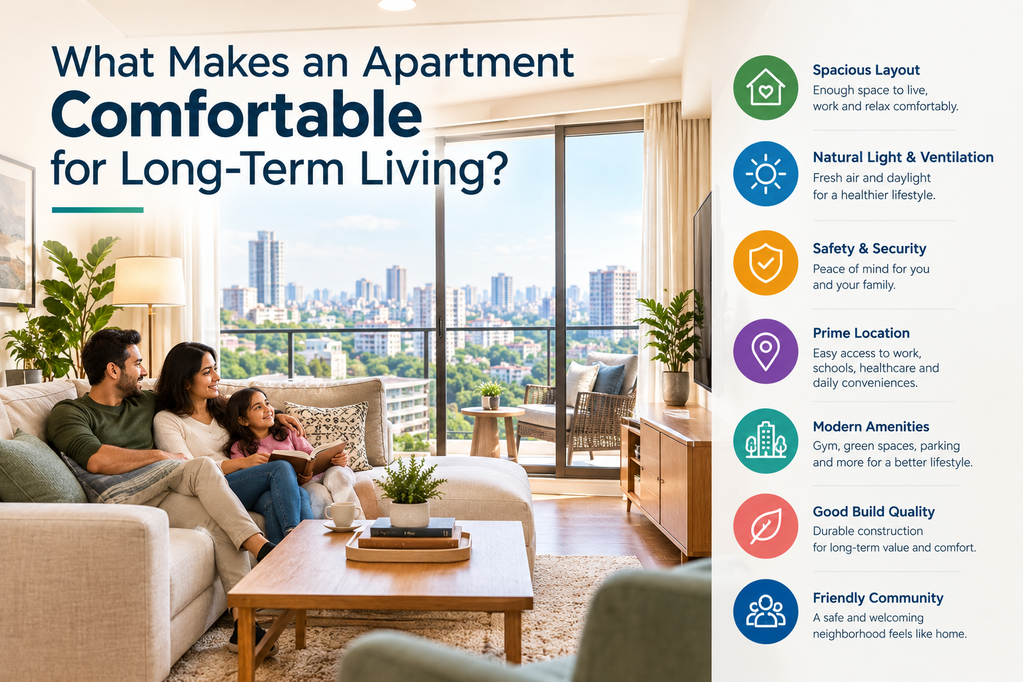
An apartment can look impressive on the day you move in and feel entirely different five years later. Long-term comfort is not about how a home looks in photographs. It is about how it functions day after day, season after season, and how well it holds up as your life changes around it. Choosing the right home from the right real estate company in Dhaka means thinking beyond the showroom and asking what daily life will actually feel like inside these walls.
What Are The Physical Factors That Determine Comfort in an Apartment?
An apartment that feels comfortable on move-in day is not automatically one that feels comfortable five years later. The physical qualities built into a home from the start- light, airflow, space, and layout are what determine whether daily life remains pleasant over the long term.
Here is what to look for:
- Natural light: South-facing apartments with large windows receive the best light throughout the day. According to The Business Standard, access to natural light and fresh air in Bangladesh’s urban areas can meaningfully improve mental health and comfort, reducing anxiety and enhancing daily wellbeing.
- Cross ventilation: Apartments with openings on more than one side allow air to move through the space naturally. In Dhaka’s climate, this dramatically reduces indoor heat and humidity without constant dependence on air conditioning.
- Ceiling height: Higher ceilings improve airflow, allow more natural light to penetrate deeper into the apartment, and make living spaces feel more open and less confined over extended periods of occupancy.
- Efficient layout: A well-planned layout with a logical flow between living, dining, bedroom, and service areas reduces daily friction. Poor layouts that force unnecessary movement or create dead spaces become increasingly frustrating over time.
- Noise insulation: Sound insulation between floors and walls is easy to overlook during a showroom visit but becomes one of the most important factors in long-term liveability, particularly in a dense urban environment like Dhaka.
The physical qualities of an apartment are set at the design stage. Once you move in, very little of this can be changed. Getting these factors right from the beginning is the foundation of a home that stays comfortable for years, not just weeks.
Why Build Quality is the Foundation of Long-Term Comfort
You can’t see build quality in a showroom, it shows up in how the walls hold up against moisture, how the floors feel underfoot after years of daily use, and whether the building continues to function the way it was supposed to long after the developer has moved on to the next project.
Here is what good build quality actually means for long-term comfort:
- Waterproofing: Poor waterproofing is one of the most common complaints among apartment residents in Dhaka. Seepage through walls, ceilings, and bathroom floors creates damp patches, mold, and structural damage that becomes increasingly expensive to address over time.
- Concrete and steel grade: The structural integrity of a building depends on the quality of materials used at the foundation stage. Substandard concrete or insufficient steel reinforcement may not be visible but will affect how the building performs over decades.
- Finishing quality: Tiles, fixtures, door frames, and electrical fittings that were not properly installed will loosen, crack, or fail within a few years. Good finishing is not cosmetic. It is a reflection of the care taken throughout the entire build.
- Sound insulation: A well-built apartment uses appropriate materials between floors and walls to reduce noise transmission. In a dense urban environment like Dhaka, sound insulation is one of the most underappreciated factors in long-term liveability.
- Electrical and plumbing standards: Certified electrical systems and properly laid plumbing reduce breakdowns, improve safety, and lower long-term maintenance costs significantly.
The standard a developer holds themselves to during construction is the standard you will live with for as long as you are in that apartment.
What Amenities Actually Matter for Long-Term Living?
Every premium apartment development in Dhaka now comes with a list of amenities. Rooftop pools, gyms, lounges, BBQ areas, and landscaped gardens are standard selling points across the market. But not every amenity delivers equal value once the novelty wears off, and first-time buyers who choose an apartment based on its amenity list alone often find that daily life looks very different from what the brochure suggested.
Here is how to think about amenities for the long term:
- Amenities you will actually use: A rooftop pool sounds appealing, but how often will your family realistically use it? A well-equipped gym within the building, on the other hand, removes a daily logistical barrier for residents who value fitness. Evaluate amenities against your actual lifestyle, not your aspirational one.
- Backup power: In Dhaka, a reliable generator system is not a luxury. It is a daily necessity. Confirm the building’s backup power capacity covers all essential systems, including elevators, common areas, and water pumps, without interruption.
- Security systems: Biometric or card access, CCTV coverage across all common areas, and trained on-site security personnel are the amenities that matter most for families living in the building day to day.
- Parking: Dedicated, covered parking that is included in the purchase rather than sold separately is a practical amenity whose absence creates daily frustration over years of ownership.
- Maintenance and management: The quality of how a building is managed after handover determines how well every other amenity holds up over time. Ask about the building management structure, service charge policy, and maintenance track record of completed projects before committing.
The best amenities are the ones that quietly improve your daily life without requiring thought or effort. The worst are the ones that look impressive in a brochure and sit unused while the monthly service charge covers their upkeep.
Final Thoughts
An apartment that remains comfortable for long-term living is not defined by how it looks on the day you move in. Natural light, ventilation, build quality, layout efficiency, and the right amenities are the foundation of a home that works for your family year after year. Choosing an apartment that gets these fundamentals right from the beginning is one of the most financially sound choices a buyer can make.
FAQs
- What makes an apartment comfortable for long-term living?
Long-term comfort depends on natural light, cross ventilation, ceiling height, efficient layout, quality construction, and building amenities that genuinely suit your lifestyle. An apartment that performs well on all these factors will remain liveable for years.
- Why is natural light important in an apartment?
Natural light improves mood, reduces energy costs, and makes spaces feel larger and more comfortable over time. South-facing apartments with large windows consistently outperform poorly lit ones in both liveability and long-term resale value.
- How does ventilation affect apartment comfort in Dhaka?
In Bangladesh’s hot and humid climate, cross-ventilation is essential. Apartments with openings on multiple sides allow natural airflow that reduces indoor heat and humidity without constant reliance on air conditioning, lowering energy bills significantly.
- What construction quality factors matter most for long-term living?
Waterproofing, concrete and steel grade, sound insulation, finishing quality, and electrical and plumbing standards are the most critical. Poor quality in any of these areas leads to maintenance problems and discomfort that compound over time.
- Which amenities are most important for long-term apartment living?
Backup power, dedicated parking, reliable security systems, and quality building management are the amenities that matter most day-to-day. Features like rooftop pools and gyms add value only if they match your actual lifestyle and are properly maintained.
- How does ceiling height affect comfort in an apartment?
Higher ceilings improve airflow, allow more natural light to penetrate deeper into the apartment, and make living spaces feel more open. In Dhaka’s climate, ceiling height is also a practical factor in reducing indoor heat buildup.
- What is the most overlooked factor when buying an apartment for long-term living?
Sound insulation is consistently underestimated. In a dense city like Dhaka, noise from neighbours, traffic, and building systems becomes one of the most significant quality-of-life factors over years of occupancy, yet it is rarely evaluated during a showroom visit.
- How do I evaluate build quality before buying an apartment?
Visit completed projects by the same developer, look for signs of wear like cracks, water stains, and hollow tiles, speak to existing residents, and ask about the materials and construction standards used. A confident developer will welcome all of these checks.
- Does apartment layout affect long-term comfort?
Significantly. A well-planned layout with logical flow between rooms, adequate storage, and proportionate room sizes reduces daily friction and makes a home feel more spacious over time. Poor layouts become increasingly frustrating as a space becomes more familiar.
- How important is building management for long-term apartment comfort?
Very important. Even a well-built apartment in a poorly managed building will deteriorate faster, have more maintenance issues, and feel less comfortable over time. Always ask about the building management structure and service charge policy before buying.