Preparing Your Home for Any Challenge

A home should be a place of safety and stability, yet unexpected challenges such as natural disasters, equipment failures, or environmental hazards can threaten that security.
Preparing your home for different situations ensures that your household remains protected and functional even during difficult circumstances. By combining routine maintenance, preventive upgrades, and thoughtful planning, homeowners can create a resilient environment capable of handling a wide range of challenges.
Strengthening the Structural Integrity of Your Home
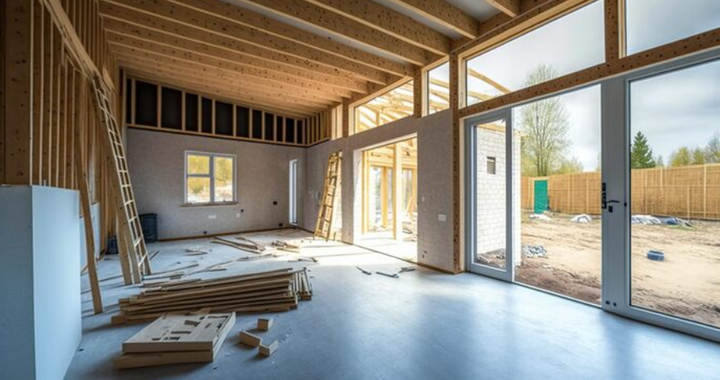
The first step in preparing your home is ensuring that the structure itself is strong and well maintained. Inspect the roof, foundation, walls, and windows regularly for signs of damage or wear. Small cracks, leaks, or weakened materials can quickly become major problems during storms or other emergencies.
Keeping gutters clean, repairing roofing materials, and sealing gaps around windows and doors helps prevent water intrusion and structural damage. A strong structure forms the foundation of a home that can withstand unexpected conditions.
Keeping Essential Systems Updated
Essential household systems must function properly to maintain comfort and safety. Plumbing, electrical wiring, heating systems, and appliances should be inspected regularly. One important upgrade homeowners often overlook is water heater replacement.
Older water heaters can develop leaks, corrosion, or pressure problems that may cause flooding or sudden system failure. Replacing an outdated unit with a modern model improves efficiency, reliability, and safety. A dependable water heating system ensures that your home remains functional even when facing unexpected challenges.
Preparing for Fire Risks and Environmental Hazards
Fire prevention is a critical aspect of home readiness, especially for homeowners living near forests, dry landscapes, or wildfire-prone areas. Installing smoke detectors, maintaining fire extinguishers, and creating defensible space around your home all contribute to improved safety.
Another protective measure is using wildfire retardant spray on vulnerable surfaces such as decks, fences, and exterior walls. This specialized spray can slow the spread of flames and reduce the risk of fire damage. Combined with proper landscaping and fire-resistant building materials, wildfire protection measures significantly improve home resilience.
Building an Emergency Supply System
Every home should maintain an emergency supply kit to handle temporary disruptions. Essential items include drinking water, nonperishable food, flashlights, batteries, first aid supplies, and backup communication devices.
Keeping these supplies easily accessible allows families to respond quickly if power outages, severe weather, or other emergencies occur. Regularly checking and replacing expired supplies ensures that the emergency kit remains reliable when needed.
Improving Home Security
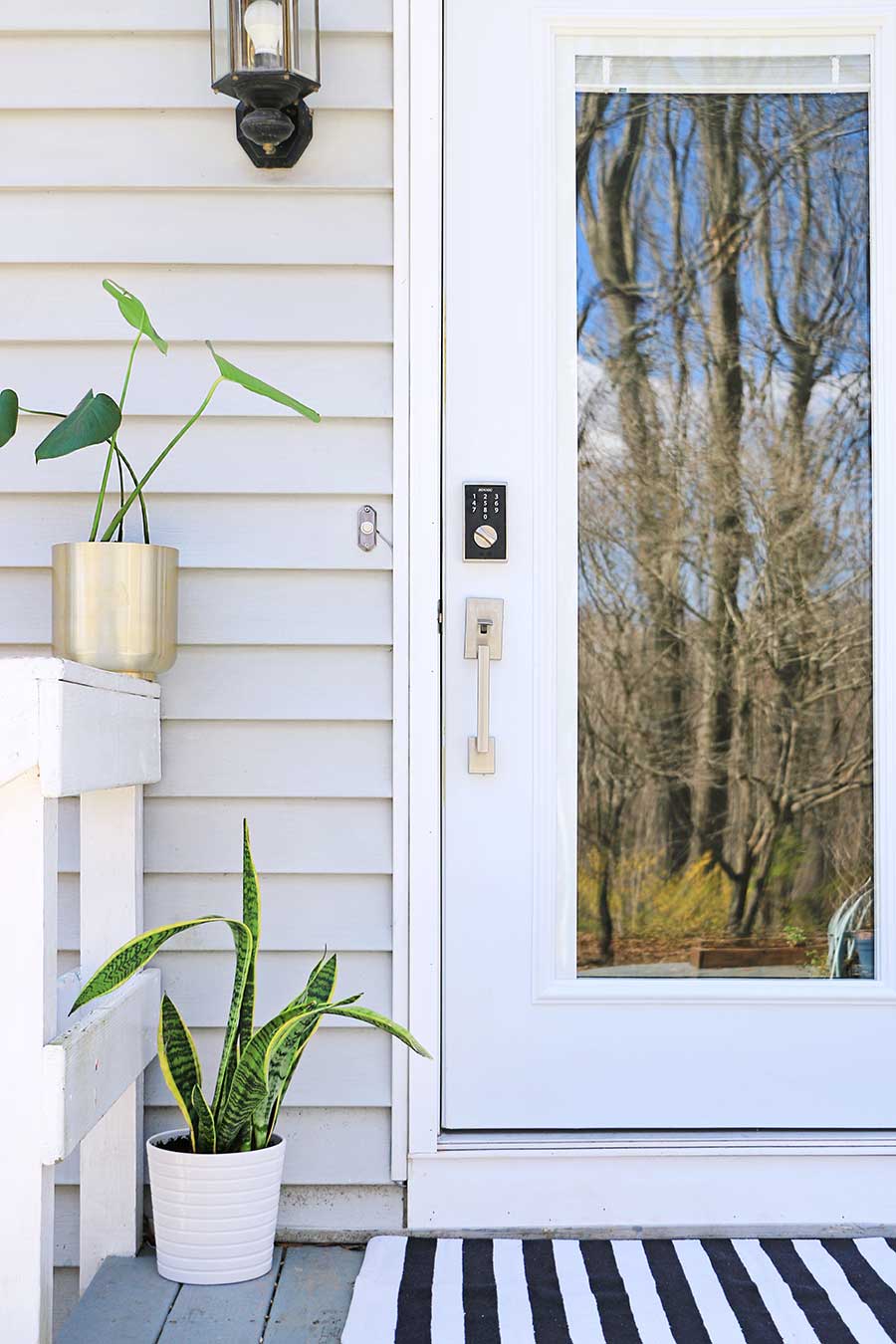
Security is another important element of home preparedness. Installing strong locks, motion sensor lights, and alarm systems helps protect the property from intruders during stressful situations. Outdoor lighting and visible security systems also discourage criminal activity. A well secured home creates peace of mind and helps protect family members and belongings.
Maintaining Outdoor Areas and Landscaping
Outdoor maintenance contributes significantly to home readiness. Overgrown trees, dry vegetation, or loose debris can become hazards during storms or fires. Trimming branches, clearing dead plants, and maintaining clean yards reduces the chances of damage. Strategic landscaping with fire resistant plants and materials can further improve safety in areas prone to wildfires.
Creating a Household Emergency Plan
Preparation also involves clear communication and planning. Families should discuss evacuation routes, meeting points, and emergency contact numbers. Practicing these plans ensures that everyone understands what to do during urgent situations. Having a structured plan reduces confusion and increases the likelihood of a safe and organized response.
Making your home ready for any challenge requires consistent maintenance, preventive upgrades, and proactive safety measures. From water heater replacement to wildfire retardant spray and emergency planning, these steps strengthen your home’s ability to withstand unexpected events while protecting the people who live inside.