Home Library Wall Ideas for Books Without Overwhelming the Room

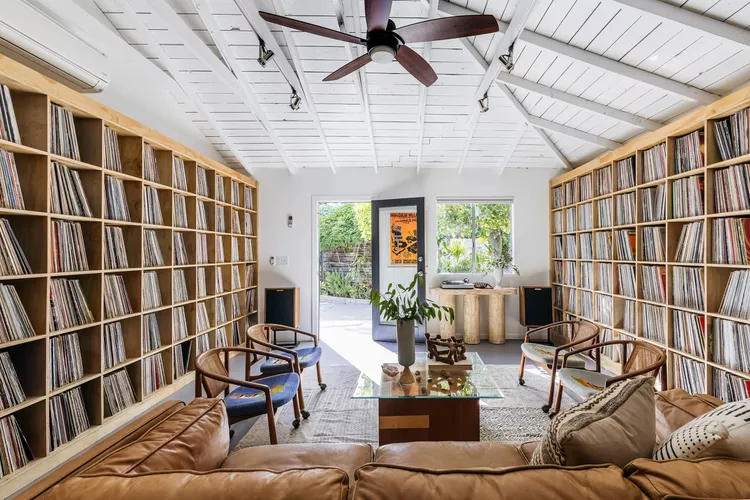
A wall of books can make a room feel warm, personal, and settled, but too much shelving can quickly make the same space feel visually heavy. Good home library wall ideas balance book capacity with breathing room, comfortable proportions, and enough open space for the eye to rest.
The goal isn’t to hide a large collection. It’s to display books in a way that works with the room instead of dominating it.
Build Shelving Around the Room’s Natural Features
Before ordering bookcases, look at doors, windows, corners, radiators, and existing furniture. Shelving that responds to the architecture usually feels calmer than a solid block of storage placed wherever wall space happens to exist.
Built-ins can frame a doorway, stop below a window, or fill an awkward recess. These arrangements leave parts of the wall exposed while still creating substantial storage. Browsing thoughtful room inspiration can also help clarify how storage, furniture, and decorative elements can share the same visual field without competing.
Keep the Largest Pieces Low
If possible, place deeper cabinets or closed storage along the bottom and use shallower shelves above. The heavier portion then stays closer to the floor, which gives the upper wall a lighter appearance.
A base cabinet also creates space for items that aren’t attractive enough for open display, including cords, folders, games, or rarely used objects.
Break Up Long Runs of Books
Books don’t have to cover every shelf from end to end. Leaving selected gaps makes a library wall easier to read visually and gives favorite objects or artwork somewhere to sit.
A room with softer furnishings, simple window treatments, and restrained accessories can handle more visible books than a room already filled with strong patterns. Relaxed home styling ideas can be useful when thinking about that wider balance rather than treating shelving as an isolated feature.
| Design Choice | Visual Effect | Best Use |
|---|---|---|
| Full shelves | Dense, traditional | Large collections |
| Mixed books and objects | Lighter, layered | Living rooms |
| Closed lower cabinets | Cleaner base | Multipurpose rooms |
| Floating sections | Open and modern | Smaller walls |
Use Empty Space Deliberately
An empty section isn’t wasted storage. It can separate two clusters of books, highlight a framed piece, or prevent the shelving from looking like one continuous mass.
Even three or four inches of visible wall around a shelving section can change how heavy the installation feels.
Control Color, Depth, and Lighting
Books already bring hundreds of small lines and colors into a room. Keeping the shelving itself simple helps prevent visual overload. Warm white, muted wood, soft gray, and finishes close to the wall color tend to recede rather than demand attention.
Deeper shelves also aren’t always better. Most standard books need far less depth than large cabinets provide. Looking through broader home design reading may help when coordinating shelf depth with nearby furniture and circulation space.
Lighting deserves equal attention. A slim picture light, integrated shelf lighting, or a nearby reading lamp can make the wall feel intentional after dark without turning it into a bright display case.
Where Library Walls Often Go Wrong
One common mistake is treating every inch of available wall as storage. Floor-to-ceiling books on several adjacent walls can shrink the perceived size of a room, particularly when the shelves are dark or unusually deep.
Another problem is overcrowding each shelf with books, décor, photographs, baskets, and plants at the same time. Pick a priority. If books are the main feature, decorative objects should support them rather than compete with them.
Avoid arranging everything by decorative color if it makes books harder to find. A home library still needs to function as a library.
Frequently Asked Questions
How much open space should a home library wall have?
There is no fixed percentage, but scattered open areas usually make shelving feel less dense. A few partially empty shelves, exposed wall sections, or decorative gaps can be enough to prevent an entire installation from reading as one heavy block.
Should home library shelves reach the ceiling?
They can, especially when floor space is limited. Tall shelving works best when upper shelves are shallower or visually simple. Keep frequently used books within comfortable reach and reserve the highest shelves for lighter or less-used items.
What color makes a library wall feel less crowded?
A shelving color close to the surrounding wall usually reduces contrast and makes the structure recede. Light woods and muted finishes can also work well. Dark shelving creates more visual weight but may suit larger, brighter rooms.
Let the Books Be the Main Feature
A successful library wall doesn’t need complicated styling. Start with storage that fits the architecture, leave deliberate pauses between dense areas, and keep large cabinetry visually grounded.
Your collection should feel easy to browse and pleasant to live with. When the shelves support the room rather than swallowing it, even hundreds of books can look comfortably at home.