Tiles vs. Wooden Flooring: Which Is Better for Your Home?

Choosing the right flooring is one of the most important decisions when designing or renovating a home. Flooring not only affects the overall aesthetic but also plays a major role in durability, maintenance, comfort, and long-term value.
With premium options available from a trusted Tiles exporter and innovative designs offered by leading Tile Manufacturers, among the most popular choices today are tiles and wooden flooring—each offering unique advantages and limitations.
1. Durability and Longevity
Tiles
Tiles are known for their exceptional durability. Ceramic, porcelain, and vitrified tiles are resistant to scratches, moisture, stains, and heat. This makes them ideal for high-traffic areas like kitchens, hallways, bathrooms, and living rooms. When sourced from a reliable Tiles exporter, high-quality tiles can last decades with minimal wear.
Wooden Flooring
Wooden flooring, whether solid hardwood or engineered wood, offers good durability but is more sensitive to moisture, scratches, and temperature changes. Over time, wooden floors may require refinishing or polishing to maintain their appearance.
2. Maintenance and Cleaning
Tiles
Tiles are extremely low-maintenance. Regular sweeping and occasional mopping are usually enough to keep them looking new. They don’t absorb spills or odors, making them a hygienic option for families with kids or pets.
Wooden Flooring
Wood floors require more care. Excess water can cause warping, and scratches are harder to hide. Special cleaners are often recommended, and refinishing may be needed after a few years.
3. Aesthetic Appeal
Tiles
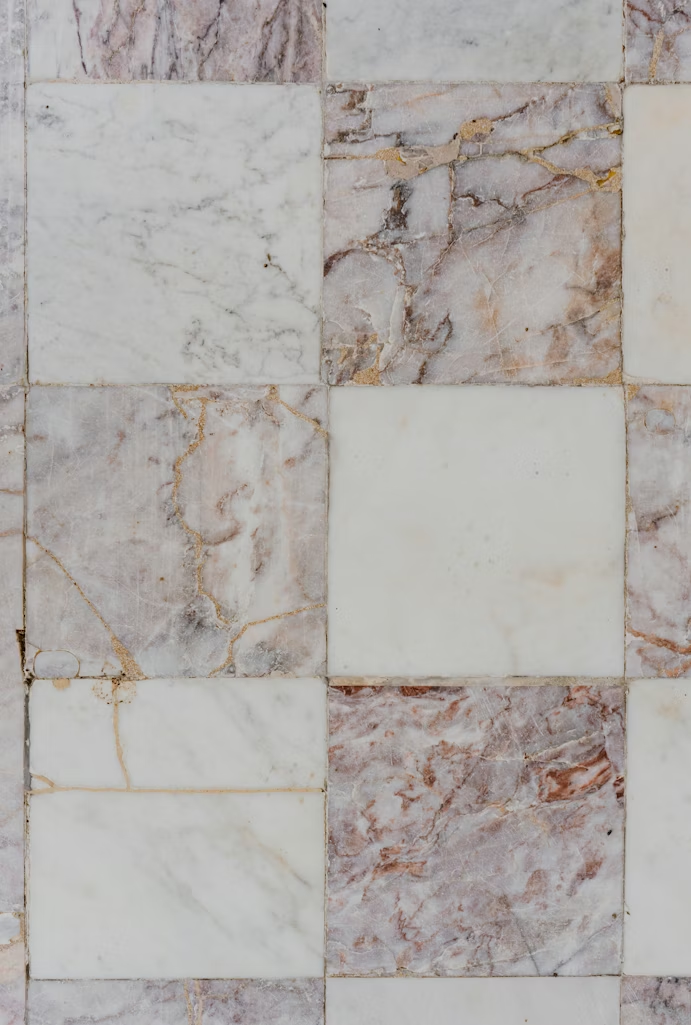
Modern tiles come in a wide range of designs, textures, and finishes—including wood-look tiles that closely mimic natural timber. Leading Tile Manufacturers now offer tiles that replicate marble, stone, concrete, and wood with stunning realism.
Wooden Flooring
Nothing quite matches the warmth and natural charm of real wood. Wooden flooring adds a classic, luxurious feel and works beautifully in bedrooms and cozy living spaces.
4. Cost and Value for Money
Tiles
Tiles are generally more cost-effective in the long run. While premium tiles can be expensive, their durability and low maintenance often make them a better investment over time.
Wooden Flooring
Wooden flooring usually has a higher upfront cost, especially solid hardwood. Maintenance and refinishing expenses can also add up over the years.
5. Climate Suitability
Tiles
Tiles perform exceptionally well in warm and humid climates. They stay cool underfoot and are resistant to moisture, making them ideal for tropical regions.
Wooden Flooring
Wood expands and contracts with temperature and humidity changes. In very humid or dry climates, this can lead to gaps or warping if not properly installed.
6. Comfort and Feel
Tiles
Tiles can feel cold and hard, especially during winter. However, underfloor heating and area rugs can easily solve this issue.
Wooden Flooring
Wood feels warmer and softer underfoot, offering superior comfort—particularly in bedrooms and living areas.
Conclusion
There’s no one-size-fits-all answer. If you’re looking for durability, easy maintenance, cost-effectiveness, and climate adaptability, tiles are the clear winner. Thanks to innovation from global Tile Manufacturers, tiles now offer endless design possibilities without compromising performance.
On the other hand, if your priority is natural warmth, comfort, and timeless elegance, wooden flooring may be the better choice—especially for low-traffic, dry areas.
Many homeowners today opt for a hybrid approach, using tiles in kitchens, bathrooms, and living spaces, while reserving wooden flooring for bedrooms. Whichever you choose, selecting high-quality materials from a trusted Tiles exporter ensures long-lasting beauty and value for your home.