
Side Yard Ideas for Turning Narrow Outdoor Space Into Something Useful

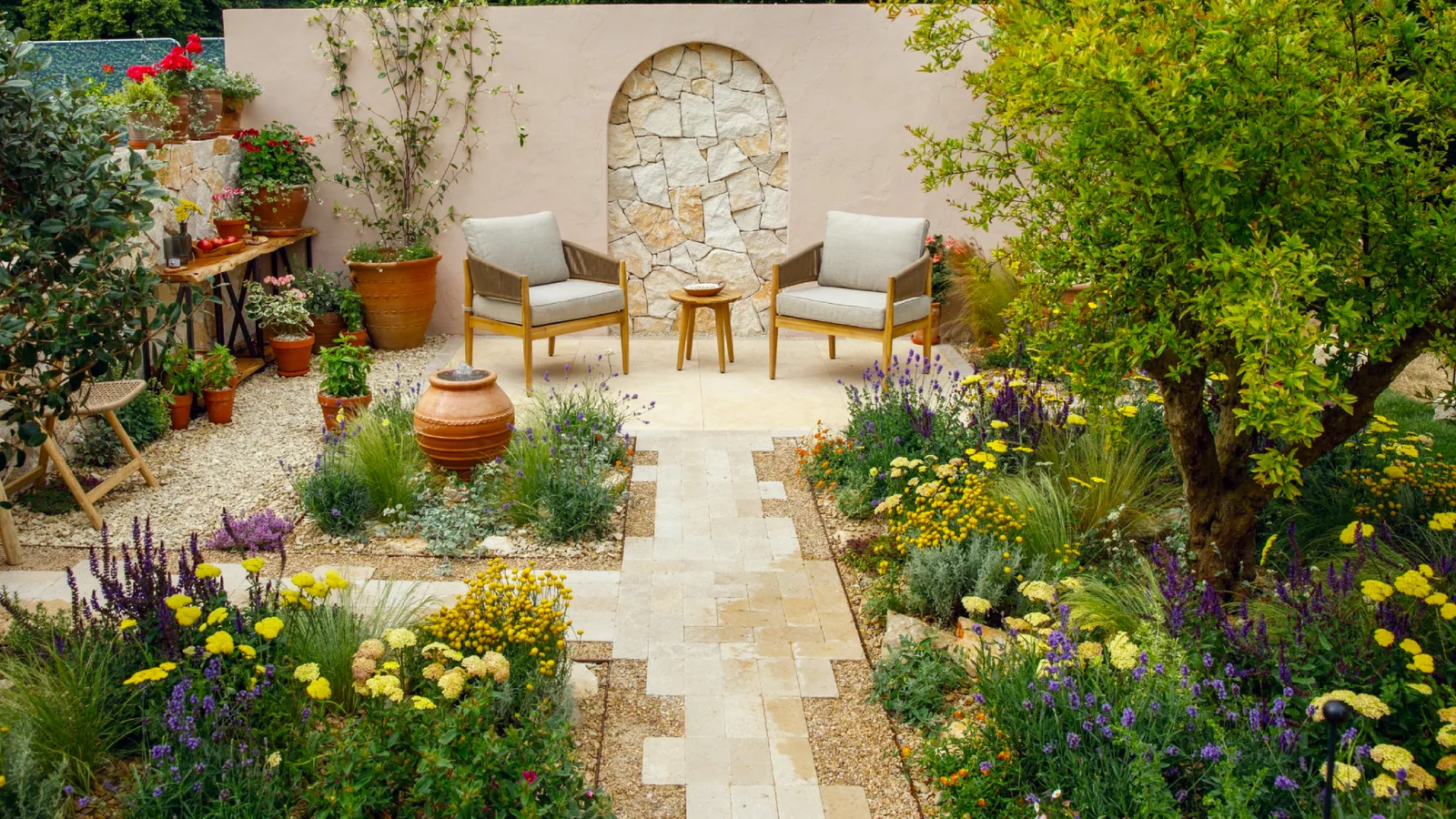
A narrow side yard can do far more than hold trash bins or collect fallen leaves. Good side yard ideas turn that overlooked strip into practical storage, a planted walkway, a compact seating spot, or a hardworking connection between the front and back of the home.
The key is designing around width, access, drainage, and how often people actually use the space.
Start With the Job the Side Yard Needs to Do
Before buying planters or laying pavers, decide what problem the area should solve. A side yard used several times a day needs a stable walking surface, while a rarely visited utility zone may benefit more from organized storage.
Measure gates, air-conditioning equipment, hose connections, meters, and door swings. Leaving comfortable access around those features prevents a pretty design from becoming frustrating later.
Separate Movement From Storage
Keep the main walking path as clear as possible. Tall storage cabinets, bicycles, garden tools, and bins work better against one wall rather than scattered along both sides.
That simple arrangement can make even a tight passage feel noticeably wider.
Build a Better Walking Surface
Loose soil becomes muddy after rain and dusty during dry weather. Gravel, stepping stones, brick, or narrow pavers create a cleaner route while helping the side yard look intentional.
People gathering outdoor planning references can use broader landscape inspiration to think about materials, boundaries, and how small exterior zones connect with larger backyard areas.
Choose surfaces that suit drainage conditions instead of automatically covering every inch with concrete.
Add Plants Without Losing Valuable Width
Traditional garden beds can consume too much floor space in a narrow yard. Wall-mounted planters, slim raised beds, trellises, espaliered plants, and vertical climbing supports provide greenery while keeping the passage usable.
Ideas drawn from compact living concepts also translate well outdoors: use height, corners, and multipurpose features before taking up valuable walking space.
| Feature | Space Needed | Useful For |
|---|---|---|
| Wall trellis | Minimal | Vines and privacy |
| Slim raised bed | Narrow strip | Herbs and flowers |
| Stepping path | Moderate | Daily access |
| Storage cabinet | Small footprint | Tools and supplies |
Turn One End Into a Small Destination
A wider point near the front or back can become a bench area, potting station, herb garden, or outdoor shower zone where appropriate. You don’t need enough room for a complete patio.
Homeowners considering broader property improvement basics can also think about how a small side-yard project fits with fencing, resale presentation, maintenance, and future exterior work.
Built-in benches with storage underneath are particularly useful where every foot matters.
Common Side Yard Mistakes to Avoid
Trying to fit too many functions into a narrow strip often produces clutter instead of usefulness. A side yard doesn’t need seating, gardening, storage, lighting, decorative stone, and water features all at once.
Drainage is another easy issue to overlook. Raised beds, solid paving, and storage structures shouldn’t block water movement or direct runoff toward the foundation.
Also avoid planting shrubs that will eventually grow across the walkway. Mature plant size matters more than how compact the plant looks at the garden center.
Frequently Asked Questions
What can I do with a very narrow side yard?
Focus on one primary function such as a walkway, vertical garden, organized storage zone, or utility passage. Wall-mounted features and slim planting beds preserve more usable floor space.
What is a good surface for a side yard?
Pavers, gravel, stepping stones, and brick can all work. The best choice depends on drainage, maintenance preferences, local climate, and how frequently the path will be used.
How can I make a side yard feel wider?
Keep the central route clear, use vertical planting, choose narrow furniture, reduce visual clutter, and avoid placing bulky objects on both sides of the passage.
Make the Forgotten Space Work Harder
The strongest side yard ideas aren’t necessarily the most decorative. They remove everyday annoyances while making an awkward part of the property easier to use.
Choose one main purpose first, protect access and drainage, then add planting or finishing details around it. A narrow outdoor strip may never become a full backyard room, but it can become one of the most efficient spaces around the house.


