
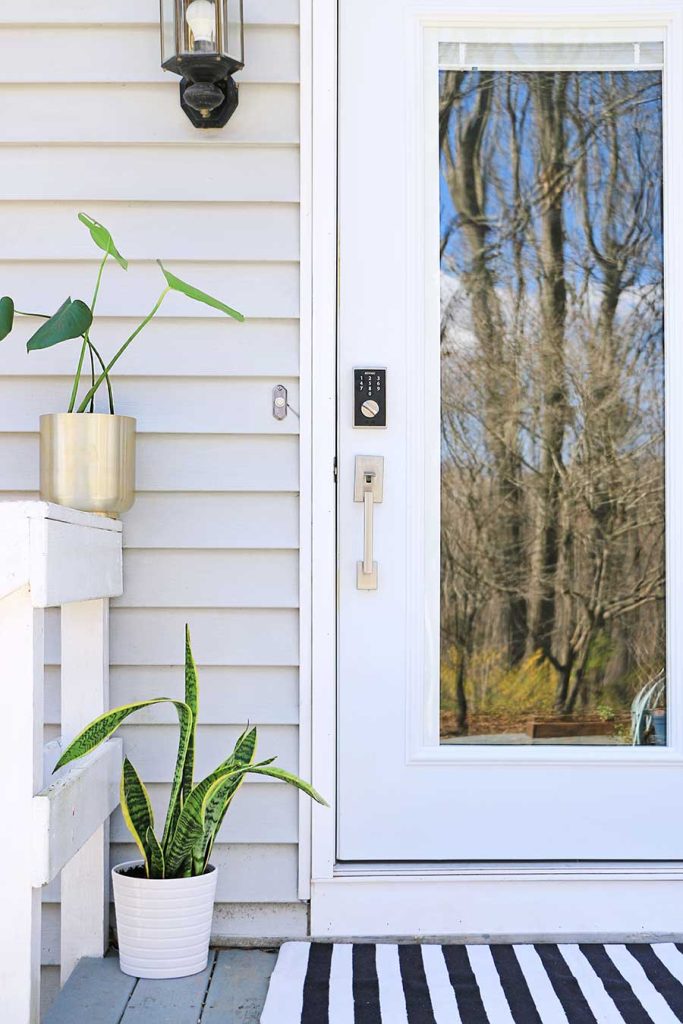
Doors take up a surprising amount of visual space, yet their hardware is often treated as an afterthought. A thoughtful door hardware upgrade can make bedrooms, hallways, bathrooms, and living spaces feel more complete without changing the doors themselves. Small details such as knob shape, finish, hinges, and strike plates influence how polished a room looks.
Match Hardware to the Room’s Existing Finish Story
Start by noticing the metal finishes already present in the room. Lighting, faucets, curtain rods, furniture legs, and decorative accessories can guide your choice without forcing every metal to match perfectly.
Brushed brass can warm up white, cream, and natural wood interiors, while matte black creates stronger definition against pale doors. Satin nickel works well in quieter transitional rooms. Looking at broader interior finishing choices can also help you decide whether your hardware should blend into the room or provide a small point of contrast.
Pay Attention to the Door Color
Dark hardware against a white door creates a crisp outline. Similar-toned hardware produces a softer effect. On stained wood doors, aged brass, bronze, or muted nickel often feels more integrated than highly reflective finishes.
Replace Builder-Grade Knobs With Better Proportions
Standard round knobs work, but they can make a carefully decorated room feel unfinished if their proportions seem small or generic. Levers, elongated backplates, oval knobs, and slightly heavier hardware add visual substance.
Browsing different room design references can reveal how often hardware contributes to a finished interior even when it isn’t the main focal point. The best upgrade usually supports the architecture rather than competing with it.
| Hardware Detail | Visual Effect | Good Fit |
|---|---|---|
| Slim lever | Clean, modern | Contemporary rooms |
| Round knob | Traditional, familiar | Classic interiors |
| Backplate | More architectural | Older or formal homes |
| Dark finish | Strong contrast | Light painted doors |
Upgrade Hinges and Small Supporting Pieces
A beautiful handle loses some of its impact when surrounded by scratched hinges, mismatched screws, or painted-over metal. Replacing or cleaning these secondary pieces gives the entire door assembly a more deliberate appearance.
The same thinking appears throughout many practical home-improvement ideas: small components matter because the eye reads them together. Matching visible hinge finishes to the main handle is often enough, although older homes can support more variation.
Don’t Forget Door Stops
Plastic wall bumpers and worn spring stops can stand out after the rest of the hardware improves. A compact floor-mounted or hinge-pin stop may look cleaner depending on the room and door swing.
Use Consistency Where Rooms Connect
Hallways with several visible doors usually benefit from repeating one hardware family. Bedrooms don’t need identical decorative details, but keeping the same finish and general shape creates continuity.
Private spaces can handle small changes. A bathroom might use a privacy lever while a closet uses a passage knob from the same collection. The result feels coordinated without appearing overly matched.
Where Door Hardware Upgrades Can Go Wrong
Buying hardware based only on appearance can create practical problems. Before ordering, check door thickness, backset, bore-hole size, handing requirements, and whether the existing latch setup is compatible.
Another common mistake is mixing too many finishes within one sightline. Mixed metals can look collected, but repetition gives them purpose. If black, brass, chrome, and bronze all appear once, the room may feel accidental rather than thoughtfully layered.
Frequently Asked Questions
Should all door hardware in a house match?
No. Hardware can vary between floors or design zones while still feeling connected. Repeating one dominant finish, shape family, or level of formality usually creates enough visual continuity.
Is replacing door hardware an easy DIY project?
Many standard knob and lever replacements are manageable with basic tools if the existing holes and backset are compatible. Unusual mortise locks or older doors may require more careful fitting.
Can I mix brass and black door hardware?
Yes, especially when both finishes already appear elsewhere in the room. Repeat each finish intentionally rather than introducing a different metal on every nearby feature.
Finish the Details People Touch Every Day
Door hardware is small, but people see and use it constantly. Choose pieces that fit the door proportions, connect with surrounding finishes, and feel comfortable in the hand. Before replacing everything at once, test one door in a frequently used room. A single successful upgrade can give you a clear direction for the rest of the home.
