
Top 10 Must-Have Garden Tools

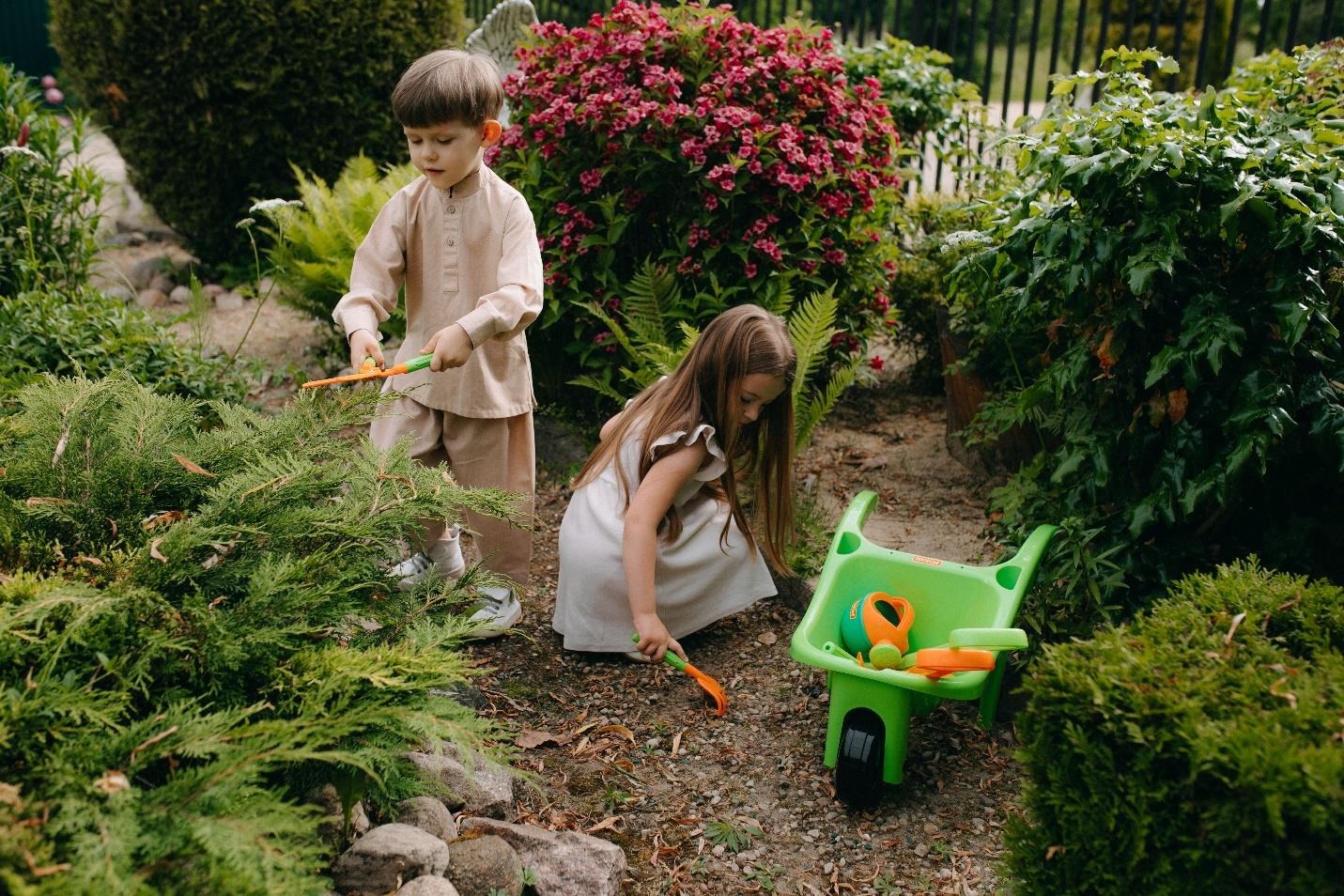
Garden tools are specialized instruments used for gardening tasks. These include hand-held items such as trowels and handheld equipment such as lawn mowers and hoes, which make planting, cultivating, weeding, and landscape maintenance easier and more efficient.
However, to start a healthy and flourishing garden, you do not need every gadget on the shelf, but having the essential equipment can help you handle all sorts of gardening jobs efficiently. Here is how these 10 must-have garden tools can help.
Hand Trowel
The hand trowel is the most fundamental hand tool for any gardener. This is why we have put it at the top of the list of garden tools. It is primarily used for digging small holes, transplanting seedlings, and scooping soil. When buying a hand trowel, make sure it has a sturdy, rust-resistant stainless-steel blade and a secure, comfortable handle.
Pruning Shears
Pruning shears are also essential tools for maintaining plant health and shape. The primary uses of pruning shears include trimming overgrown stems, harvesting vegetables, and clipping dead foliage. They typically come in two types: bypass or anvil pruners. However, bypass pruners provide clean, smooth cuts on living plants, whereas anvil pruners do not.
Gardening Gloves
A good pair of gloves is your primary line of defense against cuts, thorns, blisters, and soil-borne bacteria. They protect your hands during heavy digging, weeding, and handling thorny plants. Choose gloves made from breathable fabrics with reinforced, puncture-resistant fingertips, or nitrile-coated for water resistance.
Digging Shovel
It is a long-handled shovel that provides the leverage needed for heavy-duty yard work. It is great for digging large planting holes, moving large mounds of dirt, and composting or mulching. When buying a digging shovel, make sure it has a sharp, round-pointed blade made of heavy-gauge steel and a strong fiberglass or ash wood handle.
Garden Hand Fork
It is a compact tool that allows you to work closely and precisely around sensitive plants. However, it breaks up hard-packed soil, removes deep weed roots, and blends nutrients directly into garden beds. When choosing a garden hand fork, look for forged-steel tines that will not easily bend when prying stubborn roots.
Bow Rake
The bow rake is also known as a garden rake. However, it has rigid steel tines rather than flexible leaf tines. It is used to level soil beds, break up heavy clods of dirt, and clear debris from planting areas. If you are using it for the first time, make sure it has a solidly welded steel head securely attached to a long, lightweight handle to reduce back strain.
Watering Can or Hose with Spray Nozzle
A watering can is a common yet essential gardening tool because consistent hydration is vital to plant survival, making a controlled water-delivery system necessary. It is used to water seedlings gently and reach the bases of mature plants. A watering can may have a removable sprinkler or a kink-resistant hose, and a multi-pattern spray nozzle is recommended.
Hand Weeder
Weeds compete with your plants for nutrients, water, and sunlight. The primary purpose of a hand weeder is to pry taproot weeds from the ground, preventing regrowth. The hand weeder includes a fulcrum-style weeder that gives you extra leverage against deep roots.
Loppers
Loppers are essential garden tools for cutting branches that are too thick for regular pruning shears. They are used to cut through thick wood, branches, heavy vines, and tough brush. Loppers come with long handles that provide maximum leverage, preferably with a gear mechanism or compound action to increase cutting power.
Wheelbarrow
A reliable wheelbarrow saves you immense physical exertion when working across a yard. It can haul heavy bags of soil, transport weeds and trimmings to the compost pile, and move heavy stones or tools. It comes with a heavy-duty steel or poly tray, comfortable handles, and a pneumatic (air-filled) or flat-free tire for smooth rolling over uneven terrain.
