
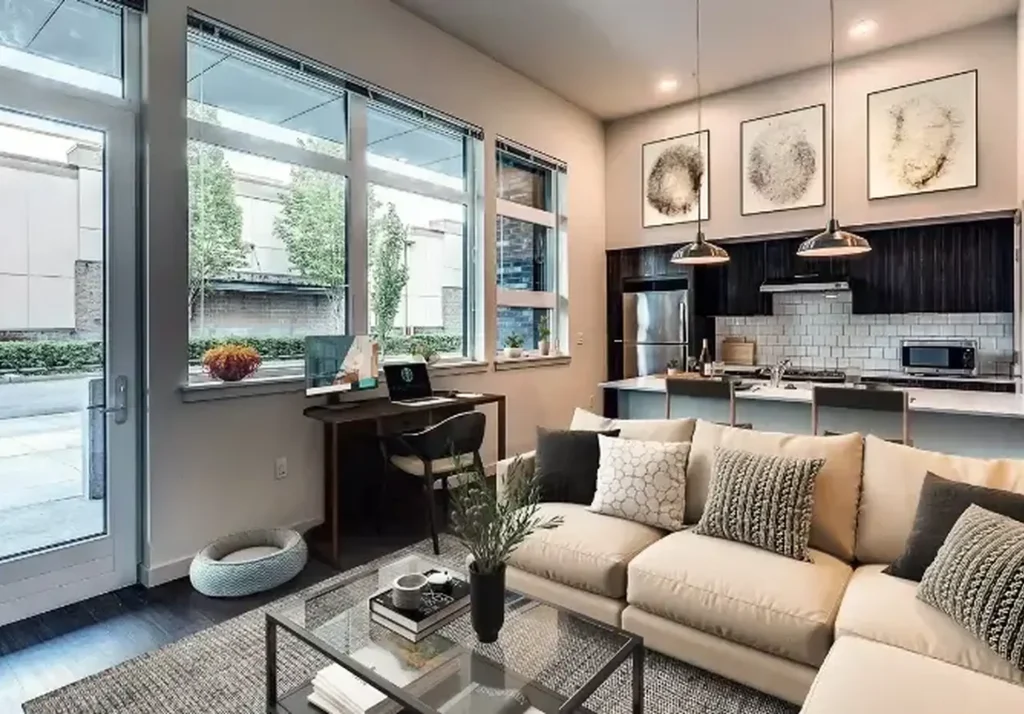
When people tour an apartment community, they usually notice the obvious things first. They look at the apartment layout, admire the landscaping, check the condition of the common areas, and imagine what it would be like to live there. Those first impressions certainly matter, but they only tell part of the story. Behind every clean sidewalk, neatly trimmed lawn, working light fixture, and welcoming entrance is a great deal of planning, coordination, and hard work that most residents never see.
Well-managed apartment communities do not operate smoothly by chance. They rely on teams of people who work every day to keep the property safe, comfortable, and enjoyable for everyone who calls it home. While residents may only interact with the leasing office or maintenance staff occasionally, there is a constant effort behind the scenes to ensure the community continues to run as it should.
Every Day Begins with Planning
The work that keeps an apartment community running often begins long before residents head to work or school. Property managers review maintenance requests, coordinate vendor schedules, monitor ongoing projects, and make sure inspections are completed on time. Maintenance teams begin checking common areas, inspecting equipment, and identifying small issues that could become larger problems if left unaddressed.
Although much of this work happens quietly, it has a direct impact on the resident experience. When parking lots remain clean, landscaping looks healthy, and shared spaces are well maintained, residents enjoy an environment that feels cared for and organized. Those positive experiences are usually the result of careful planning rather than good luck.
Small Details Have a Big Impact
One of the biggest misconceptions about apartment management is that only major repairs make a difference. In reality, many of the most important improvements involve small details that are easy to overlook.
A loose handrail, a burned-out exterior light, or a sprinkler head that is beginning to leak may not seem urgent at first. However, if those issues are ignored, they can gradually become larger concerns that affect safety, appearance, or resident satisfaction.
One maintenance supervisor recalled noticing several damaged sprinkler heads during a routine inspection. The irrigation system was still functioning, but a few areas were beginning to receive uneven watering. Instead of waiting until large sections of grass turned brown, the maintenance team replaced the damaged parts immediately. Most residents never realized the repair had taken place because the landscaping continued looking healthy throughout the summer. That quiet success demonstrated the value of addressing small issues before they become visible to everyone.
Preventive Maintenance Protects the Community
Preventive maintenance is one of the most valuable tools available to apartment communities. Rather than waiting for equipment to fail or for problems to become emergencies, maintenance teams inspect critical systems regularly to identify potential issues early.
According to the National Apartment Association, preventive maintenance programs help reduce emergency repair costs while extending the lifespan of major building systems. Planned maintenance is also less disruptive because repairs can often be scheduled at convenient times instead of requiring urgent responses after something has already failed.
The concept is similar to routine vehicle maintenance. Most people understand that changing the oil or replacing worn tires before they fail helps prevent much larger and more expensive repairs later. Apartment communities benefit from the same proactive approach. Regular inspections and maintenance protect the property while reducing inconvenience for residents.
Communication Is Just as Important as Maintenance
Maintaining a property involves much more than repairing equipment. Good communication is equally important because it helps residents understand what is happening throughout the community.
Residents appreciate receiving advance notice of maintenance work, learning about upcoming inspections, or knowing when landscaping crews will be working around the property. These updates allow people to plan their schedules and reduce unnecessary confusion.
One apartment community introduced weekly maintenance updates explaining which projects would be completed in the coming days. The updates were simple, but they made a noticeable difference. Residents became more understanding when work crews arrived because they already knew what to expect. As a result, the management office received fewer complaints, and residents expressed greater confidence in the community’s operations.
Clear communication helps build trust because residents feel informed rather than surprised.
Technology Supports the Work, but People Make the Difference
Modern property management software has made it easier to organize maintenance requests, schedule inspections, and monitor building systems. These tools improve efficiency, but they cannot replace the experience, judgment, and care provided by dedicated people.
Maintenance professionals often recognize unusual sounds or equipment performance before a breakdown occurs. Property managers notice patterns in resident feedback that suggest opportunities for improvement. Leasing professionals take time to answer questions and help new residents feel welcome.
One experienced maintenance technician shared a memorable story from his morning property walk. As he completed his routine inspection, he noticed that an elderly resident’s newspaper had remained outside her door for two consecutive days. Because this was unusual, he contacted the leasing office, and the staff arranged for someone to check on her. Thankfully, she was recovering from a minor illness and was grateful that someone had noticed something was out of the ordinary.
Stories like this illustrate that successful apartment communities are built through relationships as much as they are through maintenance schedules.
Every Department Plays an Important Role
Managing an apartment community is a team effort. Maintenance technicians keep buildings and equipment operating properly. Leasing professionals help prospective residents find a home and support current residents throughout their tenancies. Property managers coordinate budgets, inspections, contractors, and long-term planning. Grounds crews maintain landscaping, while cleaning staff ensure common areas remain welcoming.
Although each department has different responsibilities, they all contribute to the same goal of creating a positive living experience. When departments communicate well and work together, residents benefit from a community that feels organized, responsive, and professionally managed.
What Residents Should Look For
Anyone searching for a new apartment can learn a great deal by paying attention to the property’s condition beyond the model unit.
Well-maintained landscaping, clean sidewalks, functioning exterior lighting, and tidy common areas often indicate that management pays attention to routine maintenance. Prospective residents should also notice how staff communicate during the leasing process. Friendly, knowledgeable employees who answer questions clearly often reflect a management team that values strong relationships with residents.
It is also helpful to ask about maintenance response procedures, inspection schedules, and how residents are notified about community updates. These conversations provide valuable insight into how the property operates throughout the year.
Consistency Creates Confidence
Communities such as Oak Garden Apartments, 400 Garden Lane, demonstrate how steady attention to maintenance, inspections, communication, and property care contributes to a positive resident experience. These efforts may not always be visible, but they influence how residents feel every time they return home.
Consistency creates confidence because residents know they can rely on their community to remain clean, safe, and well maintained. That confidence develops gradually through hundreds of thoughtful decisions over time rather than through a single large renovation or a highly publicized improvement.
Great Communities Are Built Through Everyday Effort
The strongest apartment communities are not defined by a single impressive feature. Instead, they earn their reputation through consistent, behind-the-scenes effort.
Routine inspections help identify problems before they become costly repairs. Preventive maintenance protects important building systems and minimizes unexpected disruptions. Clear communication keeps residents informed, while teamwork ensures every aspect of the community operates smoothly.
Although much of this work happens quietly, its impact is significant. Residents enjoy a more comfortable living environment, property owners protect their investment, and communities become places where people genuinely enjoy living.
When apartment management is done well, many of the most important accomplishments are the ones residents never have to think about. They simply experience a community that feels dependable, welcoming, and thoughtfully maintained every day.
