

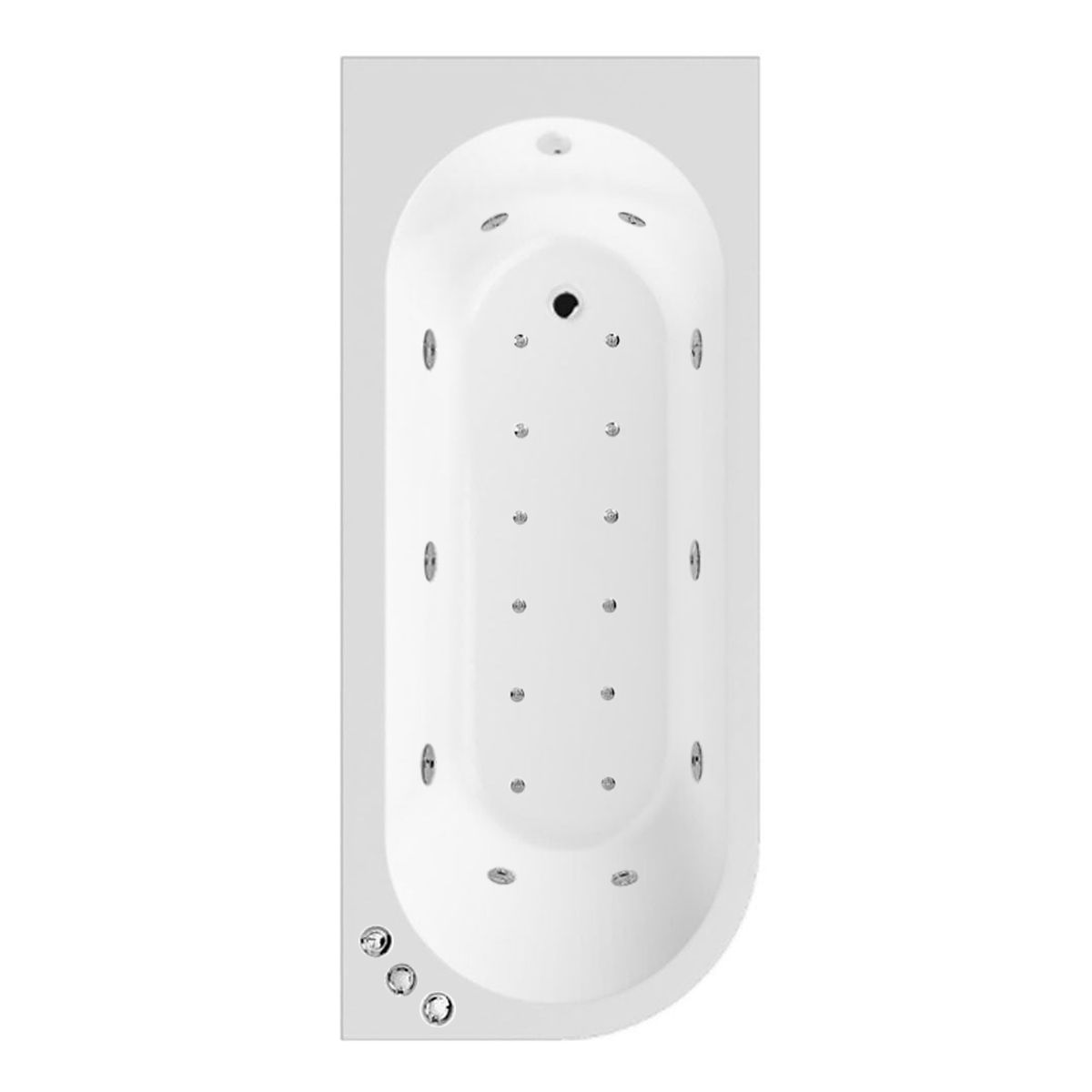

Whirlpool bath therapy has quietly moved from luxury spas into everyday bathrooms, and its rise in popularity isn’t just about indulgence. A properly designed whirlpool bath creates a controlled blend of warm water, buoyancy, and targeted hydromassage jets that together deliver a surprisingly wide set of health perks. Below you’ll find eight evidence-backed reasons people are carving out time for a whirlpool session at home, plus a few practical notes on choosing the right model and setting up a routine that actually sticks.
1. Rapid Relief for Stiff Muscles and Sore Joints
When the day ends with tight shoulders or an aching lower back, sliding into a whirlpool bath can feel like hitting a reset button. Warm water raises tissue temperature, which increases blood flow to fatigued muscle fibers and accelerates the flushing of metabolic waste products such as lactic acid. Meanwhile, rotating jets work like dozens of miniature massage therapists, kneading deep into knots without the discomfort that can come from dry-land pressure. The result is a noticeable drop in stiffness and a wider pain-free range of motion—often within a single 15-minute soak.
Shorter, daily whirlpool sessions can also benefit arthritic joints. The warmth decreases synovial fluid viscosity, making movement smoother, while buoyancy reduces joint-load by up to 90 percent, giving inflamed knees or hips a rare reprieve from gravity. Over time, many users report they stretch more comfortably and can postpone or reduce reliance on oral pain relievers.
2. Improved Circulation and Cardiovascular Conditioning
Contrary to popular belief, a whirlpool isn’t a passive experience for the cardiovascular system. Immersion in chest-deep warm water triggers a mild hydrostatic pressure that pushes blood from the extremities toward the heart, mimicking the natural pumping of light exercise. Heart rate may rise slightly, but blood pressure often drops because vessels expand in response to heat. This gentle “water workout” can be especially valuable for adults who have desk-bound routines or mobility limitations that make brisk walking a challenge.
Regular whirlpool sessions have been linked with better endothelial function—the ability of blood-vessel linings to dilate properly—which is an early marker for heart health. In one Japanese study of older adults, those who bathed in warm water at least four times a week showed significantly lower risk of coronary artery disease compared with once-a-week bathers. Although a tub can’t replace aerobic exercise, it offers a complementary, low-impact way to maintain vascular tone.
3. Accelerated Recovery After Intense Workouts
Elite athletes have long alternated ice baths and whirlpools to manage training load, but weekend warriors can tap the same science. The heat phase of contrast therapy pulls fresh oxygenated blood into micro-damaged muscle fibers, speeding up protein synthesis required for repair. With jets positioned to target quads, hamstrings, and calves, you can flush lingering inflammation after a long run or leg-day session in the gym.
For anyone adding high-intensity intervals or heavy strength work to a routine, scheduling a whirlpool soak within two hours of exercise can reduce delayed onset muscle soreness (DOMS) and restore power output for the next training day. Athletes who adopted this protocol in a small Australian trial recovered peak torque 24 hours faster than teammates relying on stretching alone.
4. Effective Stress Reduction and Mental Unwinding
Heat relaxes skeletal muscle, but it also calms the mind. Warm water triggers parasympathetic nervous system activity—the branch responsible for “rest and digest” functions—while simultaneously reducing cortisol levels. That shift translates into slower breathing, lower heart rate, and a calmer mental state within minutes. In practical terms, many whirlpool owners find they fall asleep faster on soak nights or stay asleep with fewer midnight wake-ups.
Adding simple rituals—soft lighting, a few drops of lavender essential oil on a cotton pad nearby, or instrumental background music—can heighten the effect. Because the tub physically forces you to disengage from screens or multitasking, it becomes a built-in mindfulness zone, a space where the only job is to breathe and let the jets do the rest.
5. Natural Support for Metabolic Health
Emerging research suggests that heat exposure from whirlpool baths may help regulate insulin sensitivity. During a 2019 pilot study, sedentary adults who soaked in 40 °C water three times a week for eight weeks experienced a measurable drop in fasting blood-glucose levels and modest reductions in waist circumference. Scientists believe the effect is tied to “heat shock proteins” that are activated during passive heating, boosting cellular repair mechanisms and improving glucose transport.
While no tub can replace dietary discipline or exercise, integrating 30-minute whirlpool sessions into a broader wellness plan can provide an extra nudge toward balanced blood sugar—particularly useful for those edging into pre-diabetic territory.
6. Enhanced Skin Health and Detoxification
Heat and water immersion open pores and increase sweat production, allowing trapped sebum and environmental toxins to release. The gentle turbulence of whirlpool jets then washes away dead skin cells, leaving the epidermis better able to absorb moisturizers and topical treatments. Some dermatologists even recommend whirlpool therapy before applying medicated creams for conditions like psoriasis or eczema because the pre-heated, hydrated skin improves ingredient penetration.
Mineral additives—think Epsom salts rich in magnesium—can amplify benefits by soothing irritation and supporting barrier function. Just ensure your tub’s manufacturer approves salt use to avoid pump corrosion; high-quality acrylic models such as those found at https://posh.co.uk/whirlpool-spa-baths.html often come with clear maintenance guidelines.
7. Respiratory Relief Through Warm Steam Immersion
If you’ve ever hovered over a bowl of steaming water to ease a stuffy nose, imagine that effect multiplied by an entire tub. The humid micro-climate created above a whirlpool’s surface moisturizes nasal passages and loosens mucus, making it easier to breathe. For allergy sufferers or individuals recovering from colds, a 15-minute soak can provide temporary respite without resorting to decongestant sprays.
Additionally, the mild increase in thoracic blood flow stimulated by immersion may enhance oxygen uptake. In a small clinical observation, asthma patients reported perceivable relief from chest tightness after whirlpool sessions, although more robust trials are needed. Aim to keep water temperature moderate—about 37 °C—to prevent overheating when respiratory issues are active.
8. Gentle Rehabilitation After Injury or Surgery
Physiotherapists often prescribe hydrotherapy during orthopedic rehab because water’s buoyancy unweights the body, making it possible to begin movement earlier and with less pain. Inside a whirlpool, adjustable jets add a progressive challenge: turn them off for initial range-of-motion drills, then gradually increase pressure to stimulate proprioceptors and rebuild muscle coordination.
Post-operative patients recovering from spinal fusion or joint replacement can use whirlpool therapy (with surgeon approval) to practice low-impact leg swings, ankle pumps, or elbow flexion without risking a fall. Because water supports surgical sites, swelling decreases faster and scar tissue can be gently mobilized, enhancing long-term flexibility. Modern home units even feature cushioned seating and non-slip surfaces—key safety upgrades you’ll find highlighted on https://vidalux.co.uk/whirlpool-baths/ when comparing models.
Crafting Your Personal Whirlpool Routine
Choose the right unit. Look for an acrylic or reinforced fiberglass shell with strategically placed jets, quiet pumps, and simple digital temperature control. If you’re remodeling an existing bathroom, measure doorways and sub-floor load capacity before ordering.
Mind the temperature. Most users settle between 36 °C and 40 °C. Going hotter may feel luxurious but can cause dizziness or skin irritation, especially for older adults or anyone with cardiovascular concerns.
Time it well. A sweet spot for many is 15-20 minutes, two to four times a week. Longer isn’t always better; after about half an hour the body begins to cool itself through sweating, which can lead to dehydration.
Hydrate and cool down. Drink a glass of water beforehand, keep another within reach, and rise slowly afterward. Wrapping in a cotton robe or taking a lukewarm shower helps the body transition and prevents a sudden temperature drop.
Keep it clean. Follow manufacturer guidelines for sanitizing pipes and filters. A quick wipe-down of the tub after each use, plus monthly disinfection cycles, prevents biofilm buildup and keeps the system running quietly.
Final Thoughts
Whirlpool bath therapy blurs the line between wellness ritual and simple pleasure. From soothing aching muscles to nudging blood sugar in the right direction, its benefits span both physical and mental spheres. Just as appealing, the therapy demands no special skills—only warm water, a well-placed jet, and the willingness to set aside a slice of the day for yourself. If you’re weighing upgrades for your bathroom, investing in a quality whirlpool unit could become the health-centric centerpiece of your home, delivering tangible returns long after the tiles are dry.