Hanstone Quartz Cost: A Smart Investment for Timeless Surfaces

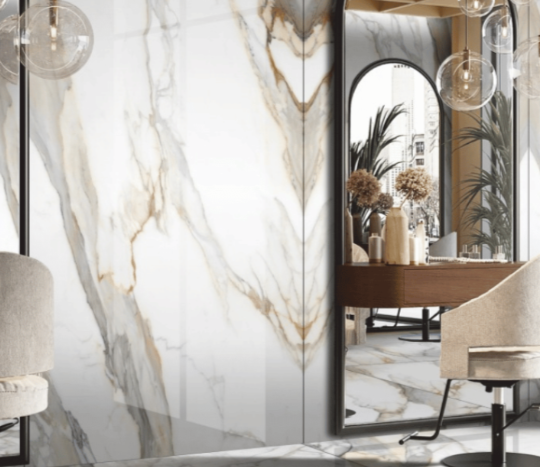
Understanding hanstone quartz cost is crucial for homeowners, designers, and contractors who aim to balance aesthetics, durability, and budget. This premium surface material provides more than visual appeal its engineered composition ensures long-lasting performance, resistance to stains, and low maintenance, making it ideal for kitchens, bathrooms, and commercial applications. While upfront costs may seem higher than some traditional surfaces, the long-term value, durability, and ease of care make Hanstone quartz an intelligent investment. By exploring cost factors, design variations, installation considerations, and practical tips, readers can make informed decisions that combine style and financial sense.
Understanding Hanstone Quartz and Its Value
Hanstone quartz is an engineered stone made by combining natural quartz with resins and pigments to create a highly durable, non-porous surface. Unlike natural stones such as granite or marble, Hanstone quartz offers uniform patterns, consistent color, and greater resistance to staining, scratching, and chipping.
Several key advantages highlight why the investment is worthwhile:
- Durability: With high hardness, quartz surfaces endure daily wear without losing their finish.
- Low Maintenance: Non-porous material eliminates the need for sealing, making it easy to clean.
- Design Versatility: From classic whites and neutrals to bold veining and textures, Hanstone suits any interior style.
- Sustainability: Some Hanstone products incorporate recycled materials, aligning with eco-conscious design trends.
These features help justify the hanstone quartz cost by reducing long-term maintenance expenses and replacement needs.
Factors Influencing Hanstone Quartz Cost
Pricing for Hanstone quartz varies depending on multiple factors. Understanding these variables helps homeowners plan budgets accurately.
1. Color and Pattern
- Standard colors and designs are more affordable.
- Exotic or limited-edition colors, such as marble-look veining, can increase costs.
- Complex patterns or custom designs require additional labor and precision, adding to the price.
2. Thickness and Slab Size
- Common thicknesses range from 1.2 cm to 3 cm; thicker slabs cost more due to higher material usage.
- Large countertops, islands, or open-plan kitchen surfaces require more material and careful installation, influencing overall cost.
3. Fabrication and Installation
- Professional fabrication ensures smooth edges, precise cuts, and proper installation.
- Improper installation can lead to cracks or alignment issues, potentially increasing long-term expenses.
4. Geographic Location
- Local supply, labor costs, and shipping fees may affect price.
- Some areas offer better availability of Hanstone quartz, leading to more competitive pricing.
5. Additional Features
- Integrated sinks, waterfall edges, or back-splashes require more fabrication effort, slightly increasing costs.
- Special finishes like matte or polished surfaces may carry minor pricing differences.
Comparing Hanstone Quartz Cost With Other Surfaces
Evaluating Hanstone quartz against alternatives helps readers understand its value proposition.
- Natural stone with unique patterns.
- Requires periodic sealing and careful cleaning.
- Prone to staining and chipping in high-use areas.
Marble
- Luxurious and visually striking.
- Softer surface; more prone to scratches and etching.
- Requires ongoing maintenance, increasing lifetime costs.
Quartz (Hanstone)
- Engineered for durability and uniformity.
- Non-porous and resistant to stains, scratches, and heat (within limits).
- Predictable cost efficiency over the product’s lifespan due to low upkeep.
Key Insight: While granite and marble may have lower upfront costs, Hanstone quartz often saves money over time by minimizing maintenance, repairs, and replacement needs.
Cost Breakdown by Project Type
Understanding how hanstone quartz cost applies to different projects helps with budgeting.
1. Kitchen Countertops
- Average range: $60–$120 per square foot (including installation).
- Factors: countertop length, edges, sink cutouts, and backsplash.
2. Bathroom Vanities
- Average range: $50–$100 per square foot.
- Smaller surface area but custom sink cutouts can slightly increase cost.
3. Commercial Applications
- Pricing varies widely depending on volume and customization.
- Durable surface suitable for reception areas, hospitality spaces, and retail displays.
Tip: Larger slabs and bulk purchases can sometimes reduce per-square-foot costs due to economies of scale.
Tips to Optimize Hanstone Quartz Investment
Maximizing value involves smart planning, design choices, and strategic installation.
1. Choose Popular Designs
- Neutral shades and standard patterns are often less expensive.
- Timeless designs reduce the risk of style obsolescence.
2. Efficient Layout Planning
- Measuring accurately avoids wasted material.
- Reusing existing cabinetry and minimizing seams can reduce labor costs.
3. Professional Installation
- Certified fabricators protect warranties and ensure longevity.
- Proper installation prevents cracks, chipping, or alignment issues.
4. Maintenance Practices
- Clean with mild soap and water; avoid harsh chemicals.
- Use cutting boards and trivets to prevent scratches and heat damage.
5. Consider Sustainability
- Selecting eco-conscious Hanstone products may align with green building standards.
- Reduces environmental impact while maintaining quality.
Using these naturally throughout content helps search engines recognize expertise, relevance, and trustworthiness.
Frequently Asked Questions About Hanstone Quartz Cost
Q1: Is Hanstone quartz worth the price?
Yes. Its durability, stain resistance, and low maintenance often outweigh higher upfront costs compared to granite or marble.
Q2: Can Hanstone quartz withstand heat?
It tolerates moderate heat, but trivets are recommended for hot cookware to prevent thermal damage.
Q3: How long does Hanstone quartz last?
With proper care, surfaces can last 15–25 years or more without losing appearance or functionality.
Q4: Does color or pattern affect pricing significantly?
Yes. Exotic colors, custom veining, or limited editions can add to material and fabrication costs.
Q5: Can Hanstone quartz be recycled?
Some products contain recycled content, and slabs can sometimes be repurposed, aligning with eco-friendly design trends.
Why Hanstone Quartz Is a Smart Long-Term Investment
Investing in Hanstone quartz merges luxury, practicality, and financial sense. Benefits include:
- Minimal Maintenance Costs: No sealing or specialized cleaners required.
- Longevity: Maintains beauty and functionality for decades.
- Resale Value: High-quality surfaces enhance property appeal to buyers.
- Aesthetic Flexibility: Works in contemporary, modern, and traditional designs.
In short, choosing Hanstone quartz combines immediate design impact with long-term savings and reduced hassle.
Conclusion
Understanding hanstone quartz cost and its influencing factors empowers homeowners, designers, and contractors to make informed decisions. From color, thickness, and installation to long-term durability and maintenance savings, Hanstone quartz offers an unmatched combination of beauty, performance, and financial practicality. By selecting certified fabricators, planning layouts strategically, and choosing designs that align with both style and budget, individuals can secure surfaces that enhance property value while minimizing long-term upkeep. Hyundai L&C ensures high-quality quartz surfaces that provide elegance, resilience, and lasting satisfaction, making every investment a smart choice.