Toe Kick Storage Ideas for Using Space Beneath Lower Cabinets

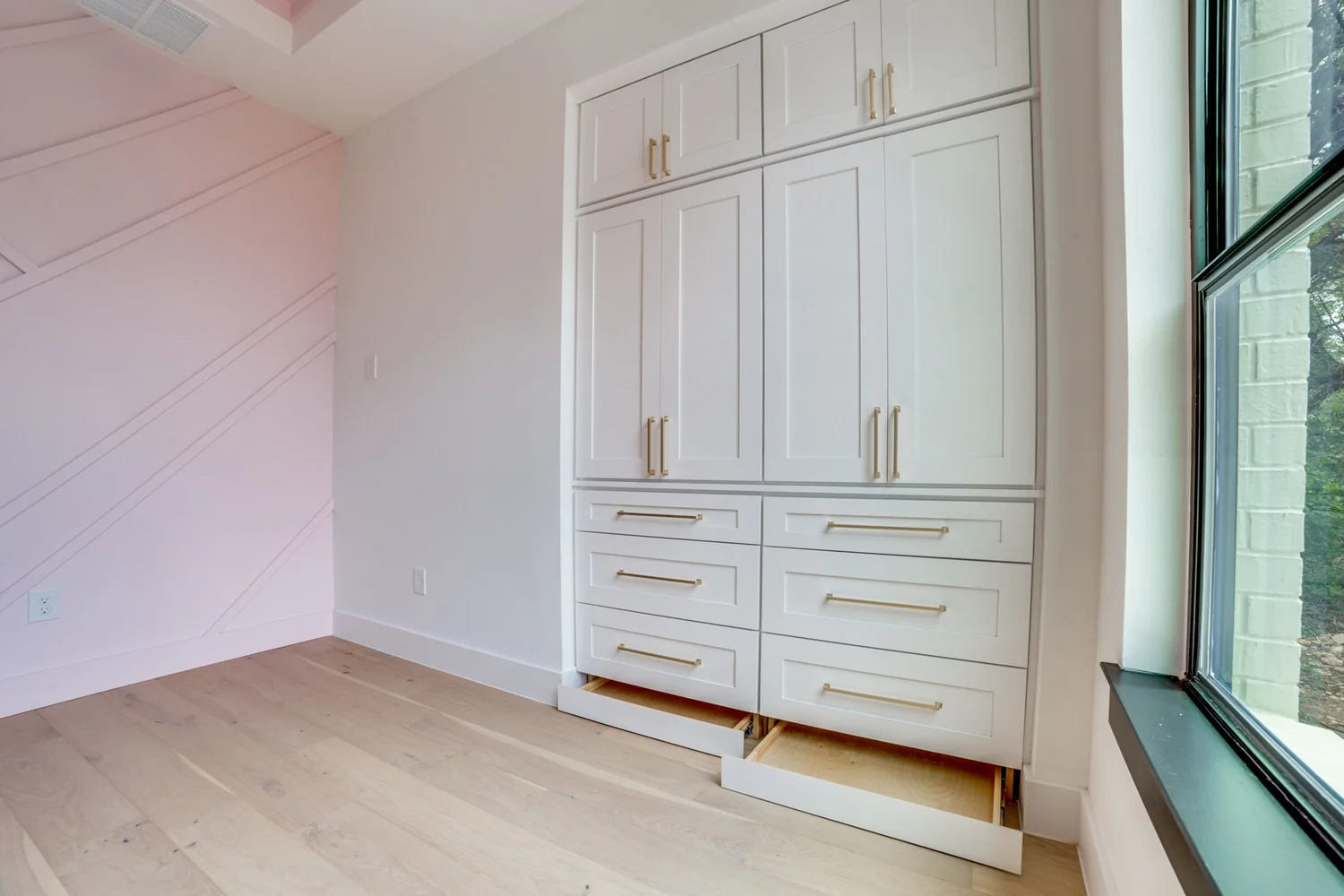
The narrow strip beneath base cabinets often looks like wasted space, yet it can hold surprisingly useful storage. Toe kick storage ideas turn that shallow area into discreet drawers for flat, lightweight items without changing the visible footprint of a kitchen, bathroom, laundry room, or built-in cabinet.
Why Toe Kick Space Works for Hidden Storage
Most lower cabinets sit above a recessed toe kick that gives your feet room when you stand at the counter. Depending on the cabinet construction, some of the space behind that recessed face may be converted into a shallow drawer.
The biggest advantage is location. Items stay close to where they’re used while remaining completely out of sight when the drawer is closed.
What Fits Best Below Cabinets?
Flat objects are the safest choice. Baking trays, serving boards, placemats, appliance manuals, reusable shopping bags, and spare linens can work well if the drawer has enough internal depth.
Avoid loading the space with heavy cookware unless the drawer hardware and cabinet framing were designed for that weight.
Use Toe Kick Drawers Where Counter Storage Is Tight
A small kitchen benefits most when toe kick drawers hold objects that otherwise consume valuable cabinet shelves. Keeping occasional-use serving pieces below the main storage zone can free prime space for everyday dishes and cookware.
Looking through broader home layout inspiration can also help you identify which frequently overlooked areas are worth adapting instead of adding another freestanding cabinet.
A pull or finger groove should remain easy to reach without projecting far enough to catch shoes.
Match the Drawer to the Room
Toe kick storage isn’t limited to kitchens. A bathroom vanity can conceal spare bath mats or unopened toiletries, while a laundry cabinet can hold dryer sheets, mesh wash bags, or cleaning cloths.
Design references covering decorative living spaces can be useful when you’re trying to keep practical storage visually quiet rather than adding visible bins throughout a finished room.
| Location | Good Storage Choice | Main Limitation |
|---|---|---|
| Kitchen | Trays and boards | Grease and crumbs |
| Bathroom | Spare linens | Moisture exposure |
| Laundry | Cleaning cloths | Limited drawer height |
| Built-ins | Manuals and papers | Weight capacity |
Plan Around Cleaning and Floor Conditions
A toe kick drawer sits close to dust, spills, mop water, and everyday foot traffic. The front should therefore close tightly, and materials near wet areas should tolerate occasional moisture.
Ideas from practical room planning can complement this approach when several small storage changes are being considered together.
Removable drawer boxes are especially convenient because they make deeper cleaning easier.
Common Mistakes That Reduce Usability
The easiest mistake is trying to store too much. Toe kick drawers are shallow by nature, so forcing bulky items inside defeats the purpose and can strain the slides.
Another problem is forgetting nearby appliances. A dishwasher door, refrigerator panel, floor vent, plumbing line, or cabinet leveling system may occupy part of the space you planned to use. Measure the internal cavity rather than judging from the cabinet’s exterior.
Frequently Asked Questions
Are toe kick drawers suitable for existing cabinets?
Sometimes. Retrofitting depends on how the cabinet base is built and whether plumbing, supports, vents, or leveling feet occupy the cavity behind the toe kick.
How deep can a toe kick drawer be?
Depth varies with cabinet construction. A drawer can sometimes extend most of the cabinet depth, but the available height remains limited by the base structure and required floor clearance.
What should not be stored in toe kick drawers?
Avoid liquids that could leak, extremely heavy objects, fragile pieces that may shift, and anything sensitive to dust or moisture unless the drawer is well sealed.
Make Low Space Work Harder
Toe kick storage is most useful when it solves a specific clutter problem rather than becoming another place to hide random objects. Choose flat items, confirm structural clearance, and use dependable slides. A few inches beneath existing cabinets can then provide practical storage without making the room feel more crowded.