The Real Cost of Cutting Corners During New Roof Construction in Lynnwood

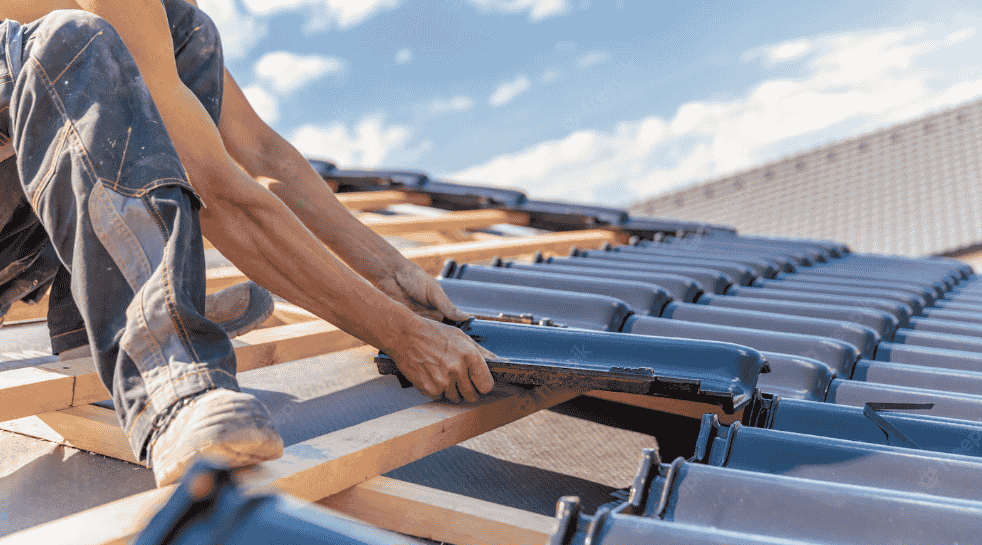
For many homeowners, a new roof represents one of the biggest investments they will make in their property. It is expected to provide long-term protection, improve energy efficiency, and withstand years of changing weather conditions. But when shortcuts are taken during new roof construction, the consequences often appear much sooner than expected.
In a climate like Lynnwood’s, where rain, moisture, moss growth, and seasonal storms are common, poor workmanship or low-quality roofing practices can create expensive problems that affect the entire home. What initially seems like a way to reduce upfront costs can eventually lead to repairs, structural damage, and premature roof failure.
Understanding the real risks of cutting corners during roof installation in Lynnwood can help homeowners make smarter decisions before problems develop.
Why Roofing Quality Matters More in Lynnwood
Homes in Lynnwood face unique environmental conditions that put continuous stress on roofing systems.
Frequent rainfall, moisture-heavy seasons, and shaded neighborhoods near Martha Lake, Alderwood Manor, and Meadowdale all create conditions where roofing systems must perform consistently year after year.
A roof built with poor ventilation, improper flashing, or low-grade materials may struggle to handle this environment.
That is why quality construction matters just as much as the roofing material itself.
Low-Quality Underlayment Creates Hidden Moisture Problems
Many homeowners focus on shingles because they are the visible part of the roof. But beneath the shingles is one of the most important protective layers: the underlayment.
When lower-quality underlayment is used during new roof construction, moisture intrusion becomes more likely over time.
This can lead to:
- Water seeping beneath roofing materials
- Mold growth in attic spaces
- Wood rot around decking
- Insulation damage
- Reduced roof lifespan
Because these problems develop gradually, homeowners may not realize there is an issue until leaks begin appearing inside the home.
In Lynnwood’s damp climate, hidden moisture damage can spread quickly once water penetrates the roofing system.
Improper Ventilation Can Shorten Roof Lifespan
Ventilation is one of the most overlooked parts of roofing construction.
A roof that lacks proper airflow may trap heat and moisture inside the attic. Over time, this can cause:
- Shingle deterioration
- Condensation buildup
- Increased mold risk
- Warped roof decking
- Higher energy bills
Homes in shaded areas near North Lynnwood often experience additional moisture retention, making attic ventilation even more important.
Poor ventilation may not cause immediate failure, but it can quietly reduce the life expectancy of the roof year after year.
Cheap Flashing Installation Often Leads to Leaks
Flashing protects vulnerable roof areas where water is most likely to enter.
This includes:
- Chimneys
- Roof valleys
- Skylights
- Roof edges
- Vent penetrations
Improper flashing installation is one of the leading causes of roof leaks after new construction.
When contractors rush installation or use lower-grade materials, water may slowly seep into surrounding structures during Lynnwood’s rainy months.
Leaks caused by flashing issues often remain hidden behind walls or ceilings before becoming visible.
By the time homeowners notice stains or dripping water, the damage may already involve insulation, drywall, or structural wood components.
Cutting Corners on Roofing Materials Can Become Expensive Later
Lower-cost roofing materials may initially appear attractive for budget-conscious homeowners. However, not all materials are designed to perform equally in the Pacific Northwest climate.
Inferior products may experience:
- Faster granule loss
- Curling shingles
- Reduced wind resistance
- Moisture retention issues
- Premature aging
For homeowners investing in roof installation in Lynnwood, choosing materials designed for wet weather conditions can make a significant difference in long-term performance.
Saving money upfront sometimes leads to higher maintenance and replacement costs much sooner than expected.
Poor Drainage Design Increases Roof Stress
Water drainage is critical in a rainy environment like Lynnwood.
If drainage systems are poorly designed during new roof construction, water may not move efficiently away from the roof.
This can result in:
- Standing water
- Overflowing gutters
- Water pooling near roof edges
- Fascia board deterioration
- Increased leak risk
Homes near wooded areas such as Picnic Point often experience additional debris accumulation, which makes effective drainage even more important.
A roof should be designed not only to withstand rain but also to direct water away efficiently throughout the year.
Fast Installation Does Not Always Mean Good Installation
Homeowners sometimes assume faster completion is always a positive sign.
In reality, rushed roofing projects may increase the likelihood of:
- Improper nail placement
- Missed flashing details
- Uneven shingle alignment
- Incomplete sealing
- Poor cleanup of roofing debris
A properly installed roof requires attention to detail at every stage of construction.
Speed without quality control can create long-term issues that are far more expensive than taking additional time during installation.
Structural Issues Can Be Missed During Construction
Older homes in Lynnwood may already have hidden structural weaknesses before roofing work begins.
If contractors fail to inspect decking or underlying components thoroughly, damaged wood or weakened structures may remain beneath the new roof.
Over time, this can contribute to:
- Roof sagging
- Moisture intrusion
- Reduced structural stability
- Interior ceiling damage
A quality roofing project should include careful evaluation of the roof structure before installation starts.
Energy Efficiency Can Suffer From Poor Construction Practices
A roof affects more than weather protection. It also impacts indoor comfort and energy efficiency.
Poorly installed roofing systems may allow:
- Heat loss during winter
- Excess heat buildup during summer
- Air leakage through attic spaces
- Moisture-related insulation damage
These issues can increase heating and cooling costs over time.
For Lynnwood homeowners, proper roof construction plays a major role in maintaining a comfortable indoor environment throughout changing seasons.
Warning Signs of Poor Roof Installation
Some roofing issues appear soon after installation, while others take years to become noticeable.
Homeowners should watch for:
- Uneven shingles
- Frequent leaks
- Mold or mildew in the attic
- Excessive moss growth
- Sagging roof sections
- Rising energy bills
- Water stains on ceilings
These signs may indicate problems related to poor workmanship or low-quality installation practices.
Long-Term Value Comes From Doing the Job Correctly
A roof should be viewed as a long-term protective system, not simply a construction project.
High-quality new roof construction helps:
- Protect the home from moisture damage
- Improve structural durability
- Extend roof lifespan
- Reduce future repair costs
- Support energy efficiency
- Improve overall property value
In a climate like Lynnwood’s, roofing shortcuts rarely stay hidden forever.
Invest in Roofing Work That Protects Your Home for Years
Choosing the right approach to roof installation in Lynnwood is about more than appearance. The quality of materials, ventilation, flashing, drainage, and workmanship all influence how well a roof performs over time.
A properly constructed roof can help protect your home through years of rain, seasonal storms, and moisture-heavy conditions common throughout Lynnwood. Taking the time to prioritize quality construction today can help homeowners avoid costly repairs and premature roofing problems in the future.