Residential Air Duct Cleaning Checklist

Getting Your Home Ready Before the Vacuum Hoses Roll In
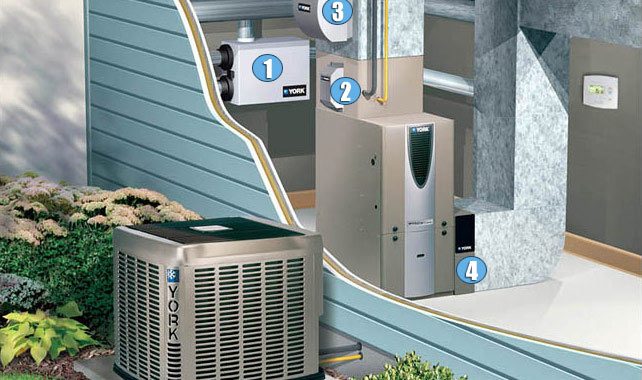
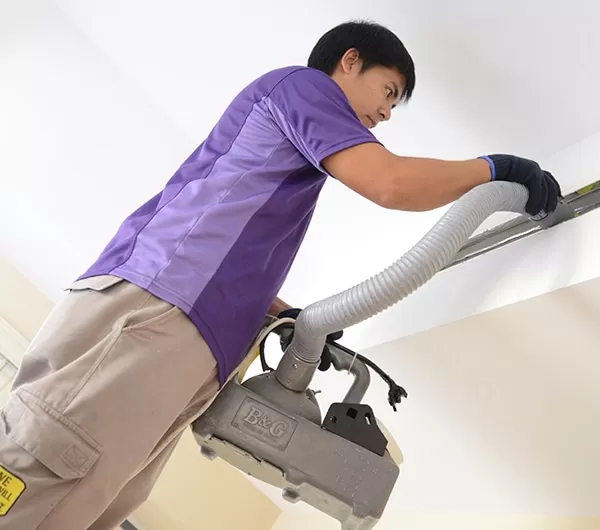
Booking a professional air duct cleaning feels a lot like scheduling a deep dental cleaning for your house; you know it is overdue, you know you will breathe easier afterward, and you quietly hope the technician does not judge what is hiding behind the grille. When a crew pulls up to your driveway with a commercial negative-air machine, heavy-duty HEPA filtration units, and rotary agitation whips, having a clear pre-service checklist turns a potentially chaotic morning into a smooth, thorough restoration of your home’s respiratory system. Over years in the field, I have walked into homes where preparation took five minutes and we were extracting debris within fifteen, and I have walked into homes where three antique china cabinets blocked the central return plenum and added an hour before we even uncoiled a hose. Taking a few simple steps beforehand ensures technicians spend their time scrubbing stubborn buildup out of your supply trunks and return plenums rather than rearranging living room furniture.
Clearing Access to Every Supply Register, Return Grille, and Air Handler
Every duct network relies on unobstructed pathways from the central air handler out to the furthest bedroom boot. Before your appointment, take a slow walk through each room and move couches, area rugs, cribs, bookshelves, or home-office desks at least three to four feet away from floor registers, wall vents, and large central return grilles. Technicians need adequate elbow room to unscrew painted-over register covers, insert pneumatic air snakes, and seal off openings with magnetic covers or foam blocks to maintain proper negative static pressure across the zone. Equally important is clearing a wide path to your mechanical closet, basement furnace, or attic hatch. Whether your air handler sits behind stacked storage bins in the garage or up a pull-down ladder beneath holiday decorations, giving the crew immediate access to the main supply and return plenums lets them cut and mount eight-inch suction collars right at the heart of the system. If your air handler lives in the attic, clearing the floor directly beneath the pull-down stairs gives technicians a safe staging zone for ladders, drop cloths, and rotary agitation reels.
Securing Pets, Children, and Delicate Household Items
Even the friendliest golden retriever tends to rethink their life choices when a roaring negative-air vacuum kicks on and flexible whip lines start rattling inside the sheet-metal walls like a marching band. Exterior doors must remain propped open briefly with protective door jamb guards while technicians run heavy extraction hoses from the truck or portable HEPA collector into your living spaces, creating an easy escape route for curious indoor cats or anxious pups. Setting up a quiet bedroom or fenced backyard space with fresh water and favorite toys—or arranging a playdate away from the house—keeps pets safe, calm, and out from underfoot while crews carry heavy equipment through hallways. While you are prepping each room, tuck away fragile knickknacks, framed family photos, or delicate lamps sitting directly beneath ceiling registers, and drape a light sheet over sensitive desktop monitors if technicians will be working overhead.
Confirming What Your Technician Should Actually Clean
Not every duct service is created equal, and knowing the industry benchmarks protects you from superficial “blow-and-go” shortcuts that leave ninety percent of the grime behind. A complete cleaning covers every supply branch, return drop, main sheet-metal trunk line, and register cover; not just the first three feet inside a vent opening. Before work begins, confirm with your lead technician how they protect delicate R-6 insulated flex duct liners from tearing while still dislodging caked dust, pet dander, and drywall residue. Experienced technicians calibrate air pressure on pneumatic whips and switch to soft-bristle rotary heads when navigating flexible ductwork so the inner Mylar vapor barrier stays completely intact. Just as critical is inspecting the air handler cabinet itself: cleaning the ducts while leaving a matted evaporator coil, stagnant condensate drain pan, or grime-coated blower wheel untouched simply blows fresh air across dirty mechanical components.
Inspecting Filter Slots, Dampers, and Plenum Seals During the Visit
A thorough service appointment is also the ideal time to verify the overall mechanical health of your ventilation system while the trunk lines are open. Have your technician check that manual balancing dampers are locked in their proper positions, motorized zone dampers open and close smoothly without binding, and sheet-metal transition collars are sealed with UL-181 rated mastic rather than crumbling cloth duct tape. Keep a fresh, properly sized pleated air filter on hand; typically a MERV-8 to MERV-11 depending on your blower motor’s static pressure rating—so the crew can slide a clean barrier into the filter rack the moment negative-air extraction finishes. If you have noticed certain rooms running warmer or cooler than the rest of the house, mention those spots during the initial walkthrough so the technician can watch for crushed flex runs or disconnected take-off collars in the attic.
Reviewing Before-and-After Camera Verification
Because ninety percent of your ductwork hides behind drywall, inside floor joists, or beneath deep attic insulation, visual proof is the gold standard of accountability in our trade. Before signing off on the completed work, ask to review timestamped digital borescope photos or video captured inside your main supply and return trunks prior to agitation and immediately after HEPA extraction. Seeing bare galvanized steel, clean fiberglass duct board, or spotless inner flex liners confirms you received genuine residential duct cleaning that restores clean airflow across every room. Make sure the crew also shows you the newly installed, mechanically fastened and mastic-sealed access panels on your main plenums so you know the system is completely airtight before they pack up their hoses.
Enjoying Cleaner Air and Peak HVAC Efficiency
Walking through a straightforward residential checklist clears the way for technicians to access every register, protect your home’s interior, verify air handler hygiene, and deliver documented results. Preparing your space in advance maximizes system airflow, reduces airborne allergens, and keeps your furnace or air conditioner running smoothly without unnecessary static resistance. Reach out today to schedule your comprehensive home duct inspection and cleaning, and give your household the crisp, healthy indoor air it deserves.