Slimming Machines: A Complete Guide to Modern Non-Invasive Body Contouring

Many people strive to improve their body shape through healthy eating and regular exercise. However, certain areas of stubborn fat may remain despite consistent efforts. This has increased interest in non-invasive body contouring technologies that support cosmetic improvements without the downtime associated with surgery.
Modern slimming machines combine several advanced technologies to target fat deposits, improve skin appearance, and enhance body contouring treatments. While these devices are not a replacement for a healthy lifestyle, they can complement existing fitness and wellness routines when used appropriately.
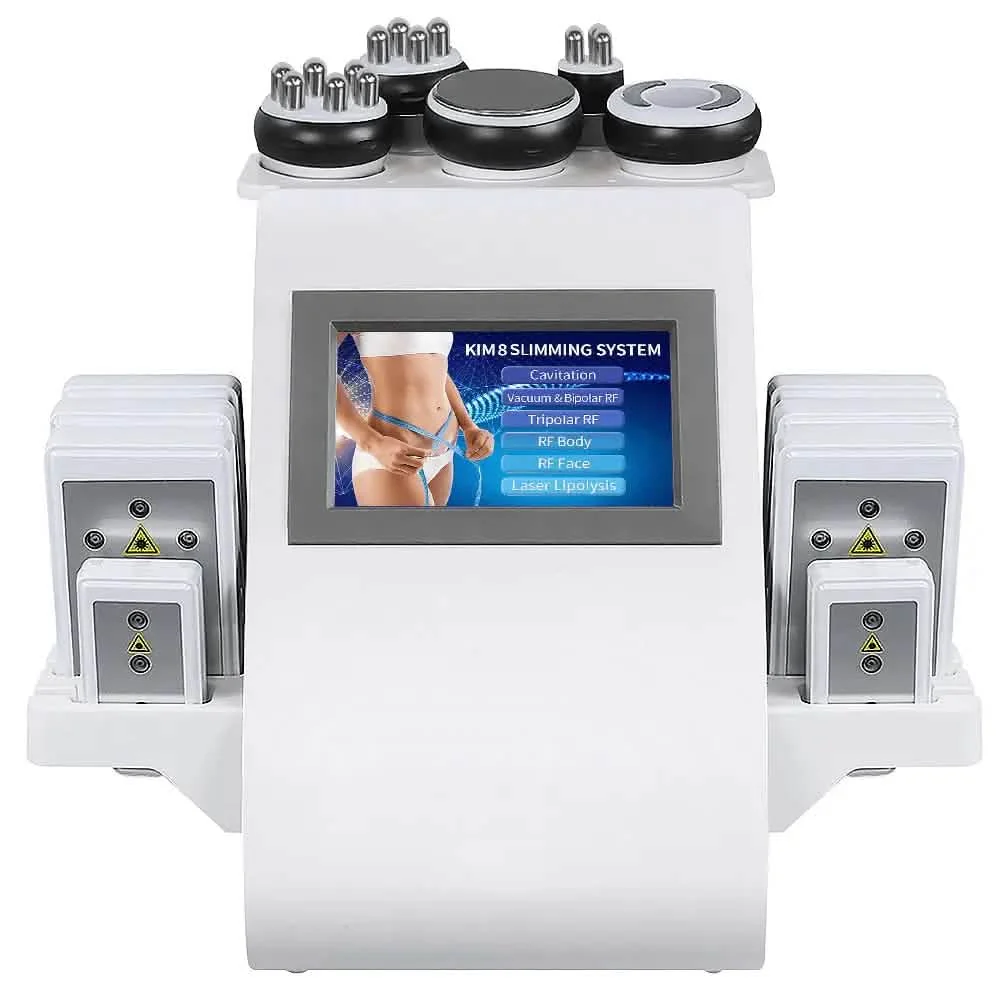
For individuals researching non-invasive body contouring equipment, a slimming machine represents one of several technologies designed to support cosmetic body shaping through treatments such as ultrasonic cavitation, radio frequency, and vacuum therapy.
What Is a Slimming Machine?
A slimming machine is a cosmetic device designed to assist with body contouring using non-surgical technologies. Rather than removing fat through invasive procedures, these machines aim to support the body’s natural processes while improving the appearance of targeted areas.
Different machines use different technologies, and many modern systems combine several treatment methods into one device. This allows practitioners to customize sessions based on individual treatment goals.
These devices are commonly used in professional beauty clinics, wellness centers, and aesthetic practices where trained operators perform treatments following manufacturer guidelines.
How Do Slimming Machines Work?
Slimming machines rely on various technologies that interact with skin and underlying tissues. Depending on the equipment, treatments may focus on reducing the appearance of localized fat, improving circulation, or encouraging skin tightening.
Some of the most common technologies include:
- Ultrasonic cavitation
- Radio frequency (RF)
- Vacuum therapy
- LED light therapy
- Multipolar RF
- EMS (Electrical Muscle Stimulation)
- Infrared therapy
Each technology serves a different purpose, and combination devices allow multiple treatments during the same session.
Ultrasonic Cavitation Explained
Ultrasonic cavitation is one of the best-known body contouring technologies.
It uses low-frequency ultrasound waves to create microscopic pressure changes within fatty tissue. These pressure variations are intended to affect fat cells beneath the skin without harming surrounding tissues.
Following treatment, the body’s natural metabolic processes gradually remove the released contents over time. Results vary depending on lifestyle, hydration, metabolism, and treatment consistency.
Ultrasonic cavitation is commonly used on:
- Abdomen
- Waist
- Hips
- Thighs
- Arms
- Back
The Role of Radio Frequency Technology
Radio frequency treatments use controlled heat energy to warm deeper layers of the skin.
This process may encourage collagen production while temporarily improving skin firmness and elasticity. Many people seek RF treatments after fat reduction procedures because tighter skin can improve overall body contours.
Potential benefits include:
- Improved skin texture
- Firmer appearance
- Better elasticity
- Reduced appearance of loose skin
- Enhanced body contours
Radio frequency treatments are often painless and require little to no recovery time.
Vacuum Therapy and Lymphatic Support
Vacuum therapy uses gentle suction to massage soft tissues.
The treatment aims to stimulate circulation and encourage lymphatic drainage, which may temporarily reduce fluid retention while improving tissue mobility.
Some practitioners combine vacuum therapy with cavitation or radio frequency to create a more comprehensive body contouring session.
Possible benefits include:
- Better circulation
- Improved lymphatic flow
- Reduced temporary fluid retention
- Enhanced treatment comfort
- Smoother skin appearance
Infrared Technology
Infrared energy gently heats body tissues during treatment.
This warming effect may improve circulation and increase treatment comfort while supporting other body contouring technologies.
Infrared therapy is frequently integrated into multi-function slimming systems because it complements ultrasonic and radio frequency treatments.
Electrical Muscle Stimulation (EMS)
EMS technology sends controlled electrical impulses that cause muscles to contract.
These contractions simulate natural muscle movement and may be used to tone specific muscle groups during aesthetic treatments.
EMS is commonly applied to:
- Abdomen
- Arms
- Legs
- Buttocks
Although EMS can improve muscle activation, it should not replace regular physical exercise.
Benefits of Modern Slimming Machines
Today’s body contouring systems offer several advantages compared to invasive cosmetic procedures.
Some commonly reported benefits include:
- Non-surgical treatments
- Minimal downtime
- Multiple technologies in one device
- Customized treatment plans
- Comfortable treatment sessions
- Gradual natural-looking improvements
- Suitable for various body areas
These benefits explain why many aesthetic professionals continue incorporating body contouring technologies into their services.
Areas Commonly Treated
Slimming machines can target several parts of the body depending on the selected treatment mode.
Popular treatment areas include:
- Abdomen
- Love handles
- Waist
- Hips
- Thighs
- Upper arms
- Back
- Buttocks
Facial radio frequency attachments may also be included with some systems for skin tightening applications.
Who May Benefit from Body Contouring Treatments?
Body contouring treatments are generally intended for individuals who are close to their ideal weight but wish to improve the appearance of stubborn fat deposits.
They may be suitable for people who:
- Exercise regularly
- Maintain a balanced diet
- Have localized fat pockets
- Want non-invasive options
- Prefer little or no recovery time
These treatments are cosmetic rather than medical weight-loss solutions.
What Happens During a Typical Session?
Although treatment protocols vary depending on the machine, a typical appointment usually follows several steps.
Consultation
The practitioner evaluates treatment goals, reviews medical history, and determines whether body contouring is appropriate.
Treatment Preparation
The skin is cleaned, and conductive gel may be applied depending on the technology being used.
Treatment
The device is moved slowly across the target area using specific treatment patterns.
Depending on the treatment type, patients may experience:
- Mild warmth
- Gentle vibration
- Light suction
- Tingling sensations
Most sessions last between 30 and 60 minutes.
Is There Any Downtime?
One reason these treatments have become popular is the minimal recovery period.
Most individuals can return to normal daily activities immediately after treatment.
Some temporary effects may include:
- Mild redness
- Slight warmth
- Temporary sensitivity
These effects generally disappear within a short period.
Healthy Habits That Support Better Results
Lifestyle choices play an important role in maintaining body contouring results.
Helpful habits include:
- Drinking plenty of water
- Following a balanced diet
- Exercising regularly
- Limiting processed foods
- Getting adequate sleep
- Maintaining a stable weight
These practices support overall health while helping preserve cosmetic improvements.
Choosing the Right Slimming Machine
Not every machine offers the same features. Professionals often evaluate several factors before selecting equipment.
Important considerations include:
Technology Combination
Machines offering multiple treatment options provide greater flexibility for different clients.
Safety Features
Reliable devices include adjustable settings, built-in safety systems, and clear operating guidelines.
Ease of Use
User-friendly controls improve treatment consistency and efficiency.
Treatment Attachments
Different handpieces allow practitioners to treat both large and small body areas effectively.
Build Quality
Professional equipment should be durable and designed for frequent use.
Understanding Realistic Expectations
Body contouring treatments provide cosmetic improvements rather than dramatic weight loss.
Results vary because they depend on factors such as:
- Body composition
- Lifestyle
- Hydration
- Metabolism
- Number of sessions
- Treatment consistency
Maintaining realistic expectations helps individuals better understand the purpose of these non-invasive procedures.
Safety Considerations
Although modern slimming machines are generally considered safe when operated correctly, treatments may not be appropriate for everyone.
Individuals should always inform practitioners about:
- Pregnancy
- Pacemakers
- Serious medical conditions
- Metal implants
- Recent surgeries
- Skin infections
A professional consultation helps determine whether treatment is appropriate.
Future Trends in Body Contouring Technology
Technology continues to evolve within the aesthetic industry.
Future slimming systems are expected to feature:
- More precise energy delivery
- Smarter treatment customization
- Improved user interfaces
- Enhanced safety monitoring
- AI-assisted treatment settings
- Better patient comfort
As research advances, body contouring devices will likely continue becoming more efficient while maintaining high safety standards.
Conclusion
Non-invasive body contouring has transformed cosmetic treatments by offering individuals alternatives to surgical procedures. Technologies such as ultrasonic cavitation, radio frequency, vacuum therapy, EMS, and infrared treatment work together to improve body contours while requiring little downtime.
When learning about multi-technology body contouring systems, understanding how a slimming machine functions can help individuals make informed decisions based on realistic expectations, professional guidance, and long-term healthy lifestyle habits.
FAQs
1. Are slimming machines intended for weight loss?
Slimming machines are primarily designed for cosmetic body contouring rather than significant weight reduction. They target localized areas of stubborn fat and may improve body shape and skin appearance. Maintaining a healthy diet and regular exercise remains essential for overall weight management and long-term wellness.
2. How many treatment sessions are usually recommended?
The number of sessions depends on the treatment area, individual goals, body composition, and the technology being used. Many treatment plans involve multiple appointments spaced over several weeks to allow gradual cosmetic improvements while supporting the body’s natural processes.
3. Can body contouring treatments replace exercise?
No. Body contouring treatments should complement—not replace—a healthy lifestyle. Regular physical activity, balanced nutrition, and proper hydration remain the foundation of maintaining a healthy body weight and overall fitness, while cosmetic treatments may enhance specific areas.
4. Are the treatments painful?
Most non-invasive body contouring treatments are generally well tolerated. Patients often describe sensations such as warmth, gentle vibration, mild suction, or tingling rather than pain. Individual experiences may vary depending on the treatment technology and personal sensitivity.
5. Who should avoid slimming machine treatments?
Certain individuals, including pregnant women, people with implanted electronic medical devices, serious medical conditions, active skin infections, or recent surgical procedures, may not be suitable candidates. A professional consultation should always be completed before beginning any cosmetic body contouring treatment.