

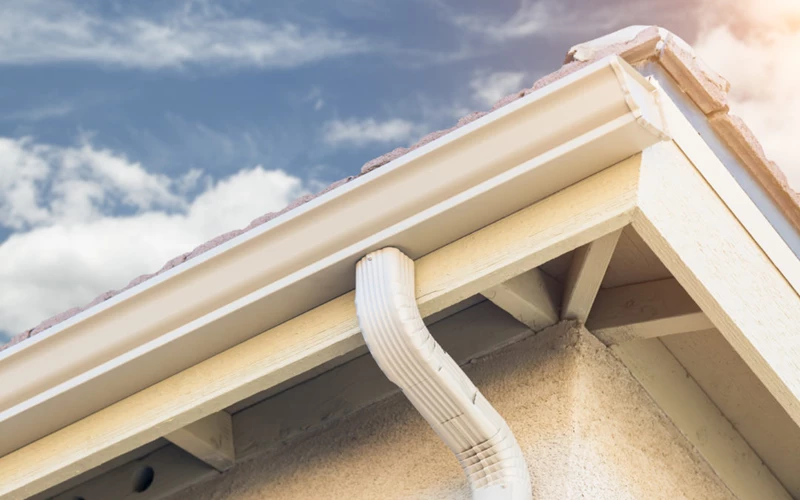

Reliable Chicago gutter services are not a “nice-to-have” in a city built on tough seasons. Between heavy spring rains, summer storms, and winter freeze-thaw cycles, gutters do one critical job: move roof runoff away from the home before water finds a way inside. When gutters clog, sag, or leak, water can pool near the foundation, stain brick, rot fascia boards, damage landscaping, and contribute to basement seepage. A small blockage can turn into a major repair bill faster than most property owners expect.
Gutters Near Me helps homeowners and property managers protect buildings across Chicago from water-related damage with cleaning, repairs, seamless upgrades, and drainage improvements.
Business Address: 1816 S Trumbull Ave, Chicago, IL 60623, United States
Website: https://gutternearme.com/
Why Chicago gutter services matter in every season
Gutters are part of the building’s drainage system. Rooflines collect rain and melting snow, then funnel water toward gutters and downspouts. When that path is clear and properly pitched, water exits the property safely. When that path fails, water hits siding, slips behind trim, or lands right next to the foundation.
Chicago weather increases the stakes:
- Freeze-thaw cycles expand small cracks and loosen brackets over time
- Snow and ice loads add weight, causing sagging and separation
- Wind-driven rain pushes water under shingles and into weak points
- Leaf and debris buildup from mature trees blocks flow and traps moisture
A gutter system that performs well is not only clean. It is also correctly aligned, securely attached, and paired with downspouts that move water far enough away from the structure.
Common damage caused by neglected gutters
Many homeowners focus on visible overflow, but the worst damage often starts quietly.
Watch for these outcomes:
- Foundation pooling that increases the risk of basement leaks
- Soil erosion that exposes roots and disrupts grading
- Mold and mildew from persistent moisture near walls
- Fascia and soffit rot from trapped water and wet debris
- Staining on masonry that becomes hard to remove
- Ice dams that damage roof edges and gutters in winter
A simple cleaning can prevent a chain reaction of repairs.
Chicago gutter services that reduce risk the fastest
Not every property needs a full replacement. Many problems can be corrected with targeted service that focuses on flow, structure, and drainage.
1) Gutter cleaning and downspout clearing
Cleaning is more than scooping leaves. A proper service removes debris, checks flow direction, and clears downspouts so water actually exits.
High-value steps include:
- debris removal from gutters and valleys
- flushing to confirm water moves correctly
- downspout clearing to remove hidden clogs
- basic inspection of joints, seams, and brackets
Tip: a “clean gutter” with a clogged downspout still overflows.
2) Gutter repair and re-securing
Many overflow issues come from sagging sections and loose hangers, not just debris. Repairs can restore pitch and prevent pooling.
Repair priorities:
- tightening or replacing hangers
- correcting pitch so water runs toward downspouts
- resealing leaking corners and joints
- replacing damaged sections that no longer hold shape
3) Seamless gutter replacement
Seamless gutters reduce leak points and improve appearance. This option is helpful when sections are warped, heavily corroded, or repeatedly leaking at seams.
Seamless upgrades are often chosen for:
- older homes with frequent joint leaks
- properties with long runs that need cleaner flow
- owners who want a more durable, lower-maintenance system
4) Gutter guards and debris control
Gutter guards can reduce clogs, especially on tree-heavy streets. The right guard depends on roofline, tree debris type, and maintenance expectations.
A realistic benefit: fewer major clogs and fewer emergency cleanouts.
A realistic truth: some maintenance is still needed, especially after storms.
5) Downspout extensions and drainage improvements
Even perfect gutters fail if downspouts dump water at the foundation. Downspouts should direct water away from the home and toward proper drainage.
Consider:
- downspout extensions to move discharge farther out
- splash blocks to reduce erosion
- drainage adjustments where pooling occurs
How to choose the right gutter company in Chicago
Hiring based on price alone often leads to incomplete work. A strong provider focuses on results: clear flow, correct pitch, secure attachment, and a documented plan.
Use this checklist before booking Chicago gutter services:
- Clear scope: cleaning, flushing, downspout clearing, and disposal
- Confirmation of pitch: water should move toward outlets, not sit in sections
- Fastener check: gutters should be firmly attached and not pulling away
- Notes or photos: problem areas should be identified, not ignored
- Straight pricing: scope-based pricing with optional upgrades explained
A good service visit should answer a simple question: “Where does water go during a heavy rain?” If the answer is unclear, the work is incomplete.
Red flags to avoid
- no mention of downspouts
- no inspection of sagging or pitch
- “blow and go” cleanup that leaves debris on the property
- vague pricing with surprise add-ons
Seasonal gutter maintenance for Chicago weather
A seasonal plan prevents emergency calls and reduces long-term wear.
Spring
Spring is the reset after snow and ice. The goal is to clear winter debris and fix any loosened connections.
Spring checklist:
- clear debris and check for leaks
- inspect fasteners and sagging sections
- confirm downspouts drain properly
- check for staining or overflow marks on siding
Summer storms
Summer rain can be intense and wind-driven. Gutters must handle sudden volume.
After major storms:
- check for overflow stains and pooling near foundation
- look for sections pulling away from fascia
- remove branches or roof debris that may block flow
Fall
Fall is the highest-risk season for clogs in many Chicago neighborhoods. Leaves create dense blockages, especially at corners and downspout outlets.
Fall checklist:
- clean gutters after peak leaf drop
- confirm downspout flow before the first freeze
- consider debris control options if clogs repeat yearly
Winter
Winter problems often come from freeze-thaw and heavy snow loads. Gutters that hold debris and water freeze faster and carry more weight.
Winter prevention:
- keep gutters clear heading into freezing temps
- reduce standing water risk with correct pitch
- watch for ice dams and heavy icicles (signs of poor drainage)
Signs a gutter system needs service now
Waiting until water comes inside is expensive. These warning signs mean action should happen soon:
- water spilling over edges during rain
- visible sagging or pulling away from fascia
- plants growing from the gutter line
- peeling paint or rotting trim along roof edges
- staining on brick, siding, or soffits
- pooled water near the foundation after rain
- frequent mosquitoes near wet areas (standing water nearby)
Quick response prevents hidden damage behind siding and trim.
Smart homeowner tips that prevent repeat problems
A few practical decisions reduce maintenance frequency and improve performance.
Choose downspout placement strategically
Downspouts should exist where roof valleys and long runs collect water. If one downspout handles too much flow, overflow becomes common during storms.
Protect corners and outlets
Corners and downspout outlets clog first. These areas deserve special attention during cleaning and inspection.
Keep landscaping from blocking drainage
Mulch beds, shrubs, and decorative borders can hide pooling and keep moisture close to the foundation. Water should exit the property, not circle the base of the home.
Focus on grading and discharge distance
Even a well-cleaned gutter system can cause issues if the yard slopes toward the house. Discharge should move away and follow grading that sends water outward.
Chicago gutter services for different property types
Not all buildings face the same challenges. Matching service to property type improves results.
Single-family homes
Typical needs:
- seasonal cleaning
- minor re-securing after winter
- downspout extensions to reduce pooling
Two-flats and multi-unit properties
Typical needs:
- stronger maintenance schedule due to roof area
- frequent downspout clearing
- durable repairs to support long runs
Commercial and mixed-use buildings
Typical needs:
- preventive service plans to avoid tenant issues
- documented maintenance for property records
- drainage planning to protect entrances and walkways
Where Gutters Near Me fits for Chicago homeowners
Gutters Near Me provides Chicago gutter services from 1816 S Trumbull Ave, Chicago, IL 60623, supporting homeowners and property managers who want consistent drainage performance through every season. Service options typically include cleaning, repairs, seamless gutter upgrades, and drainage improvements designed to reduce water damage risk.
A helpful approach is to treat gutter service like HVAC maintenance: regular checkups cost less than emergency repairs.
Conclusion
Strong Chicago gutter services protect a home’s foundation, roof edges, siding, and landscaping by directing water where it belongs: away from the structure. Clean gutters, clear downspouts, secure fasteners, correct pitch, and proper discharge distance prevent the most common water damage problems seen across Chicago neighborhoods. A proactive schedule in spring and fall, plus storm checks, keeps systems working when the weather gets harsh.
To request service or explore options like cleaning, repairs, seamless gutters, or gutter guards, visit https://gutternearme.com/ or contact Gutters Near Me at 1816 S Trumbull Ave, Chicago, IL 60623, United States.