

Introduction
Vehicles and outdoor assets are constantly exposed to environmental stress. Sunlight, moisture, dust, and pollutants gradually degrade surfaces, reduce value, and increase maintenance needs. Proper protection is not just about appearance. It is about preserving structural integrity, finishes, and long-term usability.
Solutions such as car covers, and Truck Caps are designed to reduce this exposure. When selected and used correctly, these protective systems act as barriers against common environmental risks.
This guide explains how different protection strategies work, what materials matter, and how to choose the right approach for real-world conditions.
Understanding Environmental Damage to Vehicles
Environmental exposure affects vehicles in predictable and measurable ways. The most common threats include ultraviolet radiation, moisture, airborne contaminants, and temperature fluctuations.
UV Radiation and Paint Degradation
Prolonged UV exposure breaks down the polymers in automotive paint, leading to fading, oxidation, and a dull finish that is hard to reverse. Over time, this weakens the clear coat, which is the protective layer sitting between your paint and everything the outside world throws at it. Once that layer is compromised, the paint underneath becomes vulnerable to corrosion and surface damage.
Moisture and Corrosion
Moisture is a slow and persistent problem, especially in humid or coastal environments. Salt-laden air significantly increases the rate at which exposed metal surfaces corrode, and the damage often starts in places you cannot easily see, seams, joints, and the undercarriage, before it becomes visible on the surface.
Dust and Airborne Particles
Fine dust and debris act as abrasives. Over time, these particles create micro-scratches that dull finishes and compromise protective coatings.
Effective protection strategies must address all these factors simultaneously, not just one.
Why Car Covers Are a Practical Defense Layer
Car covers provide a physical barrier between the vehicle surface and environmental exposure. Their effectiveness depends on material quality, fit, and breathability.
Key Functional Benefits
- Shields against UV radiation
- Reduces dust accumulation
- Limits moisture contact
- Prevents bird droppings and tree sap exposure
Material Considerations
High-quality covers typically use multi-layer fabrics that combine:
- Outer layers for water resistance
- Middle layers for impact cushioning
- Inner linings to prevent surface abrasion
Breathability is essential. Non-breathable materials can trap moisture, increasing the risk of mold and corrosion.
Fit and Design
A cover that does not fit properly is not just ineffective, it can actively damage your paint. When there is too much slack, wind gets underneath and the cover starts moving against the surface. Over time, that repeated friction leaves marks that are hard to explain and harder to fix.
When a Car Cover Becomes Absolutely Necessary
A tough car cover is designed for environments where standard protection is not enough. If you are parking outside year-round, living somewhere with extreme weather, or dealing with high pollution or coastal salt air, a heavier duty option is worth the investment.
Situations That Call for Heavy-Duty Protection
- Prolonged sun exposure in high UV regions
- Frequent rain or snowfall
- Industrial or high-dust environments
- Coastal areas with salt exposure
What to Look for in the Construction
Heavy-duty covers typically include thicker multi-layer materials, enhanced waterproof coatings, reinforced seams, and UV-stabilized outer fabrics. Seal Skin’s Supreme cover was built with exactly these conditions in mind, using their SEAL-TEC technology to deliver waterproof protection, superior air circulation, and durability across all weather types, without sacrificing breathability.
Truck Caps as Structural Protection Solutions
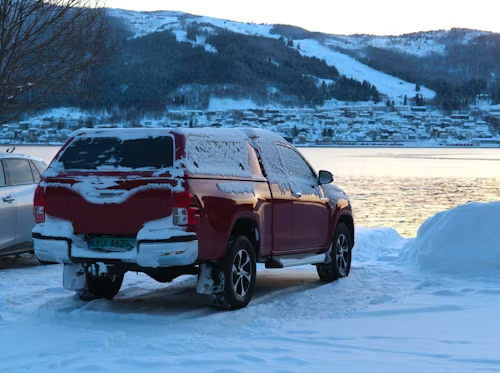
Truck caps offer a different kind of protection compared to covers. Rather than acting as a removable barrier, they create a fully enclosed storage space that keeps cargo secure and shielded from the elements around the clock.
Core Benefits of Truck Caps
- Permanent protection from rain and debris
- Secure storage for tools and cargo
- Reduced exposure to sunlight and dust
- Improved aerodynamics in some designs
Material Options
PeakGear carries truck caps from premium brands built from a range of materials, each suited to different needs:
- Fiberglass for durability and weather resistance
- Aluminum for lightweight strength
- Composite materials for balanced performance
Who They Work Best For
Truck caps are particularly useful for work vehicles carrying tools or equipment, outdoor travel and camping setups, and long-distance trips where cargo protection is non-negotiable. If you are trying to figure out which style or material makes sense for your setup, PeakGear is a solid place to browse before committing.
That said, a truck cap handles the cargo area, not the exterior. For full vehicle protection, pairing it with a quality car cover is still the move.
Combining Protection Methods for Maximum Effectiveness
No single solution addresses all environmental risks. Combining protective systems often delivers the best results.
Layered Protection Strategy
- Choose car covers for short term and long-term outdoor storage
- Install Truck Caps for cargo and equipment protection
This layered approach reduces exposure at multiple levels.
Practical Example
A pickup truck stored outdoors can benefit from:
- A truck cap to protect cargo
- A fitted cover to protect paint and exterior surfaces
This combination minimizes both structural and surface-level damage.
Material Science Behind Protective Covers
The effectiveness of protective covers depends heavily on material engineering.
Common Fabric Technologies
- Polypropylene layers for water resistance
- Polyester blends for durability and UV resistance
- Microporous films for breathability
Abrasion Resistance
Inner linings are designed to reduce friction between the cover and the vehicle surface. Soft, non-abrasive materials help prevent micro-scratches.
Water Resistance vs Breathability
Waterproof materials block moisture but may trap humidity. Water-resistant and breathable fabrics allow moisture vapor to escape while limiting water penetration.
High-quality solutions, including options from Seal Skin Covers, typically balance these two properties to prevent internal condensation.
Storage Conditions and Their Impact on Protection
Environmental conditions play a major role in determining which protection method is most effective.
Outdoor Storage
Requires protection against:
- UV radiation
- Rain and snow
- Dust and pollutants
A heavy duty car cover is often recommended in these conditions.
Indoor Storage
Even indoor environments are not risk-free. Dust accumulation and temperature fluctuations can still affect vehicle surfaces.
Lightweight car covers are suitable for indoor use, offering protection without excessive bulk.
Maintenance of Covers and Protective Systems
Protective equipment must be maintained to remain effective.
Cleaning Guidelines
- Remove dust and debris before storage
- Wash covers according to manufacturer instructions
Inspection
Regularly check for:
- Tears or worn areas
- Loss of water resistance
- Elastic or fastening damage
Neglecting maintenance reduces the effectiveness of even the most durable cover.
Common Mistakes to Avoid
Using the Wrong Fit
Oversized covers increase movement and friction. Undersized covers may not provide full protection.
Covering a Dirty Vehicle
Dust trapped between the cover and the surface can cause scratches over time.
Ignoring Ventilation
Non-breathable covers can trap moisture, leading to mold and corrosion.
Overlooking Climate Conditions
Selecting a cover without considering local weather reduces effectiveness.
Choosing the Right Solution
Selecting the right protection depends on usage, environment, and storage duration.
Key Decision Factors
- Climate conditions
- Frequency of use
- Storage location
- Vehicle type
Balanced Approach
For most users, combining solutions provides the best results:
- Lightweight covers for daily use
- Heavy-duty options for extended exposure
- Structural protection like Truck Caps for cargo security
Reliable products such as Seal Skin Covers can complement these strategies by offering designs that focus on durability, fit, and material performance.
Conclusion
Protecting vehicles and outdoor assets requires a practical, informed approach. Environmental exposure cannot be eliminated, but it can be significantly reduced with the right systems.
Car covers, heavy duty car cover options, and Truck Caps each serve distinct roles. When used correctly and maintained properly, they help preserve appearance, functionality, and long-term value.
Effective protection is not about a single solution. It is about understanding conditions, selecting appropriate materials, and applying consistent care over time.