
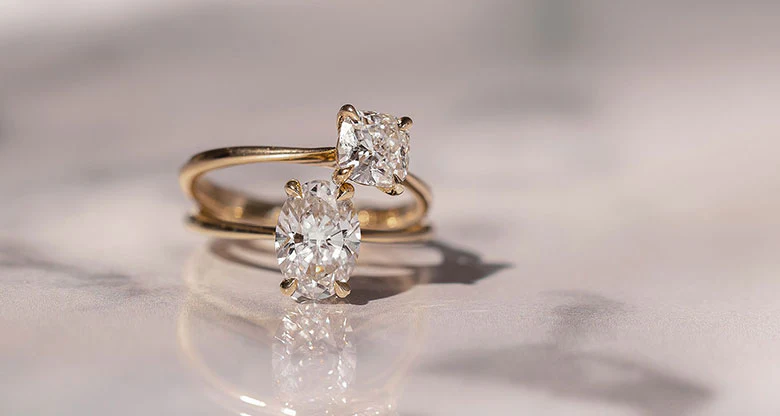
Pear-cut diamonds have an unmistakable character. Combining the brilliance of a round stone with the elegant taper of a marquise, the shape can appear delicate, dramatic or distinctly modern depending on how it is cut. Yet two pear-shaped diamonds with the same carat weight and grading may look surprisingly different once placed side by side.
The reason lies in proportion, symmetry and facet arrangement. These details affect how the stone reflects light, how large it appears on the finger and whether its silhouette feels softly rounded or sharply elongated. Exploring pear cut diamonds by Lily Arkwright can help illustrate how individual cutting choices shape the personality of each lab-grown diamond, rather than simply determining its technical specifications.
Length-to-Width Ratio Defines the Silhouette
One of the most influential characteristics of a pear-cut diamond is its length-to-width ratio. This measurement describes how long the stone is in relation to its widest point.
A lower ratio creates a fuller, broader pear shape. These stones often feel romantic and substantial, with a rounded body that gives the diamond a softer visual presence. A higher ratio produces a narrower, more elongated outline, which can make the finger appear longer and more slender.
Neither proportion is inherently superior. The right choice depends on personal style and the intended setting. A wider pear can look beautifully balanced in a solitaire design, while an elongated stone may suit a contemporary setting with a refined, architectural feel.
Proportion also influences perceived size. A well-spread one-carat pear-cut diamond may appear larger from above than a deeper stone of the same weight because more of its mass is visible across the surface.
Symmetry Creates Balance and Elegance
Pear-cut diamonds are particularly dependent on symmetry. The pointed tip should align precisely with the centre of the rounded end, while the shoulders on either side should curve evenly.
Poor symmetry can make the diamond appear tilted, uneven or heavier on one side. This may not always be obvious in a grading report, but it becomes noticeable once the stone is set into a ring, especially in minimalist designs where the outline is fully visible.
The shape of the shoulders also changes the overall impression. Gently curved shoulders create a classic teardrop profile, while broader shoulders can make the diamond resemble a softened shield. More angular shoulders produce a sharper, bolder aesthetic.
Because pear-cut stones are not standardised to a single ideal outline, visual assessment is especially important. Personal preference often matters as much as numerical grading.
Faceting Influences Brilliance and the Bow-Tie Effect
The facets within a pear-cut diamond control how light travels through the stone. A well-cut example returns light evenly, creating lively flashes of brilliance from the rounded end to the tip.
Many elongated diamond shapes display some degree of bow-tie effect: a darker area running across the centre of the stone. This occurs when certain facets fail to return light directly to the viewer.
A subtle bow tie can add contrast and depth. However, a strong or opaque one may divide the diamond visually and reduce its overall brightness. Its severity cannot always be predicted from a certificate alone, which is why viewing imagery or video of the individual stone can be valuable.
Facet precision also affects whether the diamond produces broad flashes of light or a finer, more scintillating sparkle. The preferred appearance is subjective, but brightness should remain balanced across the stone.
Orientation Changes the Overall Look
Pear-cut lab diamonds can be worn with the point facing towards or away from the hand. Pointing the tip towards the fingertip tends to elongate the hand and creates a traditional, graceful appearance. Reversing the direction feels less conventional and can give the ring a more fashion-led identity.
The setting further changes how the cut is perceived. A halo can emphasise the diamond’s outline and increase its visual presence, while a simple solitaire allows its proportions and symmetry to take centre stage. Side stones may broaden the composition, whereas a fine band can make an elongated pear appear even more prominent.
Final Thought
The appeal of a pear-cut lab diamond is not determined by carat weight alone. Length-to-width ratio, symmetry, facet structure and orientation all influence how the stone looks and feels in the finished piece.
Choosing between a rounded, softly proportioned pear and a long, slender silhouette is ultimately a matter of character. The finest option is the one whose shape, light performance and balance feel harmonious to the wearer—not simply the diamond with the most impressive measurements on paper.