
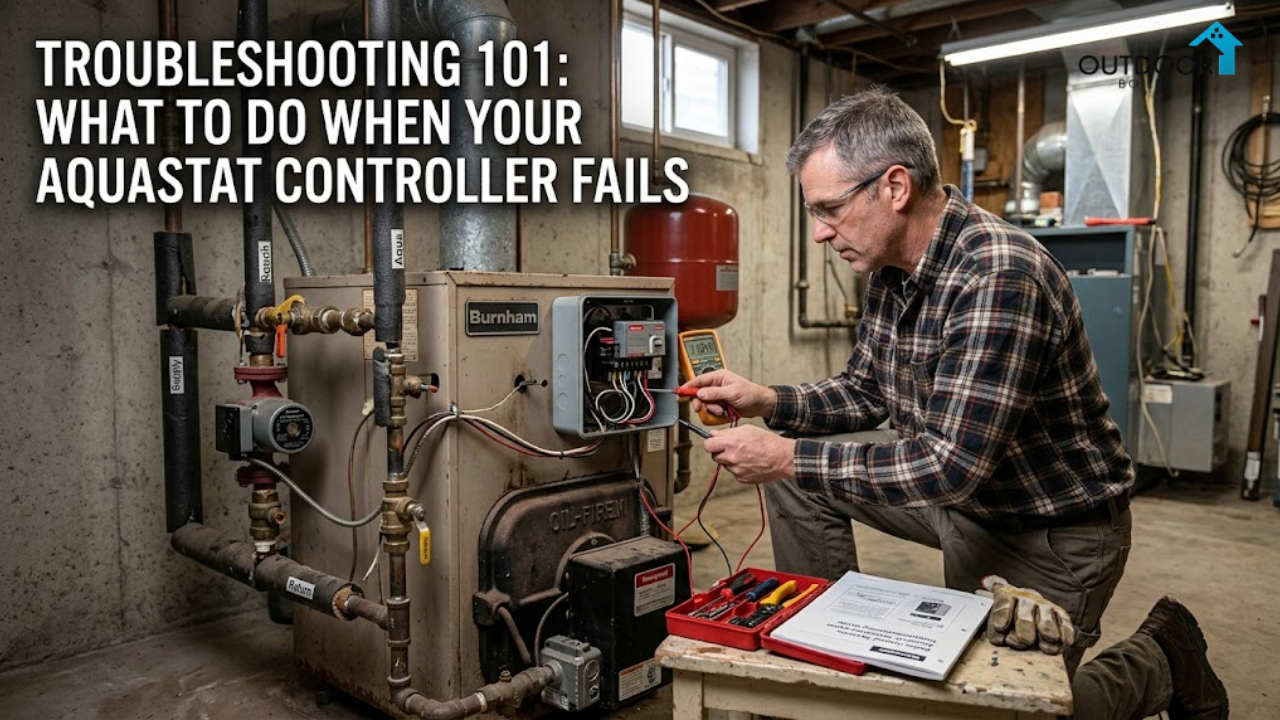
If your aquastat controller fails, the first step is to identify the symptoms, safely turn off power when necessary, and inspect the most common causes before considering replacement. A systematic approach can help you determine whether the issue is a simple fix or one that requires professional assistance.
Understanding What an Aquastat Controller Does
An aquastat controller is a temperature-sensing and control device commonly found in hydronic heating systems and boilers. Its primary job is to monitor the temperature of the water inside the boiler and control when the burner and circulating pump should operate.
By maintaining the proper water temperature, the aquastat helps improve heating efficiency, protects the boiler from overheating, and ensures your home remains comfortable during colder months.
When the aquastat stops working correctly, the entire heating system can become unreliable. You may experience inconsistent heating, unusually high energy consumption, or a boiler that refuses to start altogether.
Common Signs of a Failing Aquastat Controller
Recognizing the symptoms early can help prevent more serious heating system problems.
The Boiler Does Not Turn On
One of the most noticeable signs is when the boiler does not respond to a call for heat. If the thermostat is working properly but the boiler remains inactive, the aquastat could be interrupting the control circuit.
Water Temperature Is Too High or Too Low
An aquastat that fails to regulate temperature properly may allow the boiler water to become excessively hot or fail to reach the desired operating temperature. Both situations reduce system efficiency and may place unnecessary stress on heating components.
Frequent Boiler Cycling
Short cycling occurs when the boiler repeatedly turns on and off within a short period. While several issues can cause this behavior, a malfunctioning aquastat is one possible reason because it may send incorrect temperature readings.
No Heat Throughout the Home
If your radiators or baseboard heaters remain cold even though the boiler appears to be running, the aquastat may not be activating the circulator pump correctly.
Unusual Temperature Fluctuations
Large swings in indoor temperature may indicate that the aquastat is struggling to maintain consistent water temperatures.
What Causes an Aquastat Controller to Fail?
Several factors can contribute to aquastat problems over time.
Normal Wear
Like most electrical components, aquastats experience wear after years of repeated heating and cooling cycles.
Electrical Problems
Loose wiring, damaged terminals, blown fuses, or power surges can interfere with normal operation.
Sensor Issues
If the temperature sensing bulb or probe becomes damaged or loses proper contact, the controller may receive inaccurate readings.
Moisture Damage
Boiler rooms can be humid environments. Excess moisture may eventually affect electrical contacts and internal circuitry.
Improper Installation
Incorrect wiring or incompatible replacement parts may prevent the aquastat from functioning correctly.
What to Do When Your Aquastat Controller Fails
Before beginning any inspection, always prioritize safety.
Turn Off Electrical Power
Switch off power to the boiler at the service disconnect or circuit breaker before opening any electrical panels. This reduces the risk of electrical shock.
Verify the Thermostat Settings
Sometimes the issue originates with the thermostat rather than the aquastat. Confirm that the thermostat is set correctly and is calling for heat.
Check for Visible Damage
Inspect the aquastat housing and surrounding wiring for signs of burned insulation, corrosion, loose connections, or moisture.
Inspect the Temperature Setting
Ensure the temperature settings have not been accidentally adjusted outside the manufacturer’s recommended operating range.
Test the Electrical Connections
If you have experience working with electrical equipment, use a multimeter to verify that power is reaching the controller and that output signals are functioning as expected. If you are unfamiliar with electrical testing, it is safest to contact a qualified technician.
Listen to Boiler Operation
Pay attention to whether the burner starts, the circulator pump activates, or relays click during operation. These observations can provide useful clues during diagnosis.
Reset the System if Applicable
Some boiler systems include a reset procedure. Refer to the manufacturer’s instructions before attempting any reset.
Replace the Aquastat if Necessary
If testing confirms that the controller has failed internally, replacement is usually the most reliable solution. Always install a compatible model that matches your boiler’s specifications.
Can You Repair an Aquastat Controller?
In most cases, aquastat controllers are not repaired internally. Because they contain electrical switching components and temperature-sensing mechanisms, replacing the entire controller is generally safer and more dependable than attempting internal repairs.
However, external issues such as loose wiring or corroded terminals may sometimes be corrected without replacing the controller itself.
Safety Tips During Troubleshooting
Working around boilers involves both electrical and hot water hazards. Keep these safety practices in mind.
- Always disconnect electrical power before inspecting components.
- Never touch exposed wiring while power is on.
- Allow hot boiler components to cool before handling them.
- Follow the manufacturer’s service instructions.
- Contact a licensed HVAC technician if you are uncertain about any diagnostic procedure.
Preventing Future Aquastat Problems
- Routine maintenance can help extend the life of your heating system.
- Schedule annual boiler inspections to identify developing issues before they become major failures.
- Keep the boiler area clean and dry to reduce the risk of corrosion.
- Inspect wiring periodically for signs of wear or loose connections.
- Replace aging components before they fail unexpectedly.
- Monitor your heating system for unusual noises, inconsistent temperatures, or changes in performance.
When to Call a Professional
While homeowners can perform basic visual inspections, certain situations require professional service.
Seek expert assistance if:
- The boiler repeatedly shuts down.
- You detect burning smells or damaged wiring.
- Circuit breakers continue to trip.
- Water temperatures become dangerously high.
- Electrical testing indicates an internal controller failure.
- You are uncomfortable working with electrical equipment.
A licensed HVAC technician has specialized tools and training to safely diagnose heating system controls.
Frequently Asked Questions
What is the lifespan of an aquastat controller?
Many aquastat controllers last between 10 and 20 years, depending on operating conditions, maintenance, and overall system usage.
Can a faulty aquastat increase energy bills?
Yes. A malfunctioning controller can cause inefficient boiler operation, excessive cycling, or incorrect water temperatures, all of which may increase energy consumption.
Is it safe to replace an aquastat yourself?
Only individuals with appropriate electrical knowledge and experience should attempt replacement. If you are unsure, hiring a qualified technician is the safest option.
How can I tell if the thermostat or aquastat is the problem?
Begin by confirming that the thermostat is calling for heat. If the thermostat functions normally but the boiler does not respond correctly, further testing of the aquastat may be necessary.
Does every boiler use an aquastat controller?
Many hot water boilers use aquastat controllers, but the exact control system varies depending on the boiler type and manufacturer.
Conclusion
A failing aquastat controller can lead to heating problems, inconsistent water temperatures, and unnecessary energy use. Fortunately, recognizing the warning signs early and following a structured troubleshooting process can help you identify the cause and determine whether the issue can be resolved through basic maintenance or requires professional service.
I hope this guide has made it easier to understand how an aquastat controller works and what steps to take when it fails. Visit our website at outdoorboiler.com. We are committed to creating practical, easy-to-understand resources that help homeowners and professionals make informed decisions about heating system maintenance and troubleshooting.