
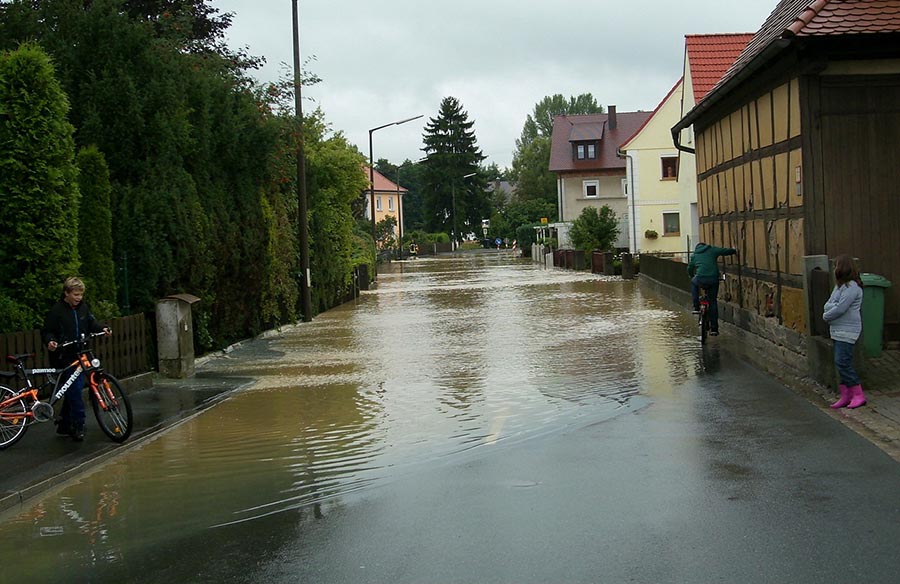
The actions you take in the first hours after water enters your home are critical. They will determine how bad the structural damage is, how much mold you will have to deal with, and if your insurance will cover your losses. This article serves as a step-by-step guide for all of the above.
Shut off utilities before you step inside
First and foremost, prevent further damage.
If it’s safe to do so, locate your main water shut-off valve and close it. This will prevent additional water from entering your home due to a burst pipe or malfunctioning appliance. The valve is typically located near the water meter – in the basement, a utility room, or outside the house near the foundation.
Determining whether to turn off the electricity is more difficult. Do not go near an electrical panel if you must stand in water to reach it, or if there is any water in the room. Instead, contact your electricity provider to have the power turned off from the outside. Once the power has been disconnected, you can enter the property.
Gas leaks are unlikely during a flood, but if you smell gas or suspect a gas line has been damaged, leave the premises immediately and contact the gas company. Don’t re-enter the property until a professional has given you the all-clear.
Don’t touch the water until you know what it is
All floodwater is not created equal. And knowing the difference can impact your health and the cleanup. Water from a busted supply line or an overflowing sink is considered “clean” water. It doesn’t require hazmat precautions to clean up, and can likely be handled by you. Water from a backed-up sewer, an overflowing toilet, or outside overland flooding – that’s Category 3, sometimes called black water. It can contain sewage, bacteria, and silt. You can’t get rid of it on your own. You need licensed professionals with the equipment and protective gear to remove and dispose of this contaminated material properly. If there’s any question about the source, assume it’s contaminated until a professional says it’s not.
Document before you move anything
Many homeowners tend to overlook this step, but they end up regretting it.
Before you contact a mitigation team, before you remove wet carpets, before you relocate any furniture – remember to take pictures and video first. Go through each room. Record any standing water, the waterline on your walls, soaked insulation, and all the damaged items. Document serial numbers and models of appliances. If you have any receipts, grab them as well.
Adjusters, even the ones your insurance company sends, can only appraise what you can show them. If you throw something out before documenting it, you may not be paid for it. One inch of floodwater can cause up to $25,000 in damage to a single-story home (FEMA), and that’s only covered if you can prove it was lost.
Get professional water mitigation started immediately
Once paperwork is out of the way, velocity is your friend again. Mold can become a problem on damp materials in as little as 48 hours. Structural wood begins to swell and warp and drywall wicks water higher into the wall the longer it goes unchecked.
This is where local mitigation pros shine. Companies offering water damage restoration Merrillville, IN answer your call, arrive on-site in force, and bring drying capacity – the kind of equipment and experience that ties directly to how fast your home or business gets back to normal. These experts know the ins and outs of drying techniques and testing to ensure materials are properly dried – not just visibly but to the touch, behind walls, and even under floors. Best of all, the more thorough the documentation gathered of damages, the better your insurance compensation is likely to be.
Know what your insurance policy actually covers
Most standard homeowner policies don’t cover overland flooding. Many homeowners aren’t aware of this until it’s too late and they are faced with a costly repair. Coverage for this type of flooding typically must be purchased through the National Flood Insurance Program (NFIP) or a private insurer. Sewer backups are another issue that may not be covered under a standard policy, and coverage for sump pump failure may also be limited and may require a separate endorsement.
Don’t make assumptions – read your policy and talk to your agent if anything is unclear. It’s also important to understand the difference between replacement cost value coverage (which pays what it costs to replace an item today) and actual cash value (which takes depreciation into account). The impact on your claim could be substantial.
Work with a public adjuster on complex claims
Once mitigation is underway, the insurance claim process starts – and it’s not always straightforward.
An insurance company’s adjuster works for the insurance company. A public insurance adjuster works for you. They assess the damage independently, help you build and submit a proof of loss document, and negotiate with the insurer to make sure the payout reflects the actual damage – including what’s hidden behind walls or under subfloors where a quick inspection might miss it.
Public insurance adjusters are licensed professionals who specialize in exactly these situations. On complex water claims involving multiple rooms, structural damage, or mold remediation, the difference in settlement outcomes can be significant.
You don’t have to navigate the claims process alone, and you shouldn’t try to when the stakes are this high.
Put the plan together now
The last moment you want to find your utility shut-offs is when it’s too late. Be prepared. Do a walk-through of your house today. Figure out where your main valves are. Write them down. Keep your insurance paperwork in an easy-to-reach spot. Learn your policy’s flood exclusions before disaster strikes.
The quickest recovering homeowners aren’t the ones who were fortunate. They’re the ones who were prepared and acted fast when their time came.