I have worked with wallpaper for over a decade now, and if you asked me five years ago whether peel and stick wallpaper would become my most recommended product, I would have laughed. Back then, the quality was inconsistent, the patterns looked cheap, and most clients dismissed it as a temporary fix for college dorm rooms.
That has completely changed. Today, I use self adhesive wallpaper in about half of my residential projects. Not because it is a compromise, but because it solves problems that traditional wallpaper cannot. For first-time homeowners especially, it opens up design possibilities that used to require a serious budget and a professional installer.
Why Renters and First-Time Homeowners Should Care
Here is the reality most design blogs skip over: when you buy your first home, you are already stretched thin. Between mortgage payments, furniture, and all those surprise costs, hiring someone to hang traditional wallpaper feels like a luxury. And if you are renting? Most landlords will not let you paint an accent wall, let alone paste wallpaper to it.
Renter friendly wallpaper solves both of those problems at once. You apply it yourself on a weekend afternoon, and you peel it off when your lease ends or when you get bored with the pattern. No paste, no steamer, no damage deposit arguments.
I worked with a couple renting in Brooklyn last year. Strict no-modifications policy from the landlord. We applied a light botanical peel and stick wall mural behind their sofa in about two hours, and it completely changed the feel of their living room. When they moved out, the wall underneath was spotless.
How to Pick the Right Pattern for Your Space
This is where most people make their first mistake. They fall in love with a pattern online, order it, and realize it overwhelms their room. Removable wallpaper gives you room to experiment, but you still want to get it right the first time.
For small rooms like bathrooms or home offices, I lean toward subtle textures. Think linen weaves, soft geometrics, or muted florals. They add depth without making the space feel cluttered. Large-scale patterns and bold self adhesive wallpaper murals work better in living rooms, bedrooms, or open-plan spaces where the wall has room to breathe.
Color matters more than most people realize. Cool tones like soft blues and greens make a room feel more open. Warm tones like terracotta and mustard pull walls forward and create a cozy atmosphere. If your room gets very little natural light, avoid dark removable wall murals unless you want a deliberately moody look.
One rule I always share: before you commit, tape a large sample to the wall and live with it for a couple of days. Look at it in morning light and under your lamps at night. Easy apply wallpaper is forgiving, but returns still cost time and money.
Application Tips From Someone Who Has Done This Hundreds of Times
The biggest myth about temporary wallpaper is that anyone can slap it on perfectly without preparation. You can apply it yourself, absolutely. But a little prep work makes the difference between a professional-looking result and visible bubbles and crooked seams.
Start by cleaning your wall thoroughly. Wipe it down with a damp cloth and let it dry completely. Dust, grease, and tiny bumps will show through the material, especially with matte finishes. If your wall has fresh paint, wait at least three to four weeks before applying. Fresh paint does not bond well with adhesive backing, and your wallpaper will start peeling at the edges within days.
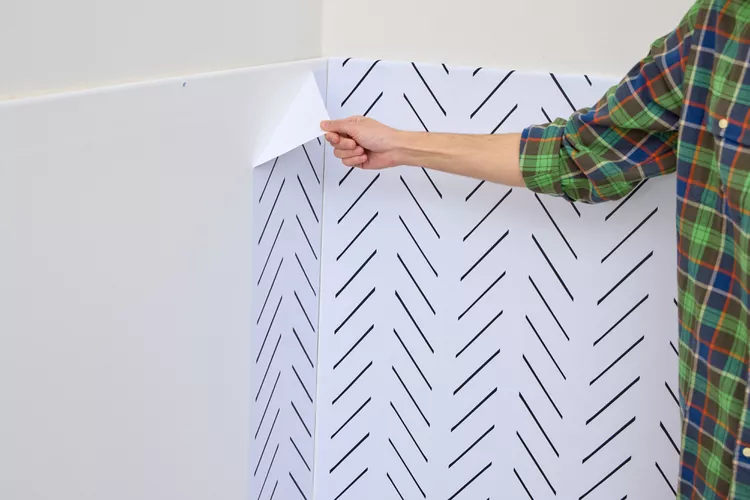
When you are ready to apply, work from the top down. Peel back about twelve inches of backing at a time and smooth it onto the wall with a squeegee or a flat plastic card. Take your time. Rushing this step is how you end up with air pockets. If a bubble forms, lift that section gently and reapply. That is the whole advantage of wallpaper for walls with a peel-and-stick backing. You can reposition without ruining the adhesive.
For corners and edges, use a sharp utility knife and a metal ruler. Do not fold the material around a corner. Cut it flush, then start a new strip on the adjacent wall with a slight overlap. That gives you clean lines and prevents edges from lifting.
Where Peel and Stick Wallpaper Works Best in a Home
I get asked this constantly, so here is my honest take based on what I have seen in actual homes.
Accent walls in living rooms and bedrooms are the most popular use, and for good reason. A single feature wall with wallpaper for temporary decor adds visual interest without the commitment of covering an entire room. Bedrooms especially benefit from a wallpapered headboard wall. It anchors the space and gives the room a finished look that paint alone cannot achieve.
Home offices are another favorite. After years of video calls, people realized their background matters. A clean, well-chosen wallpaper for rental area spaces or owned homes behind your desk makes every Zoom call look a little more polished.
Kitchens and bathrooms are trickier. Moisture weakens adhesive, so stick with areas that do not get directly splashed. The wall above open shelving in a kitchen or the wall opposite the shower in a bathroom can work. Avoid placing it right next to a sink or inside a shower enclosure.
Common Mistakes I See (and How to Avoid Them)
After years of working with clients, a few errors come up again and again.
First, not ordering enough material. Always order about fifteen percent more than your measurements suggest. Patterns need matching at the seams, and you lose material to trimming. Running short mid-project is frustrating, and dye lots between batches can vary.
Second, ignoring wall texture. Peel and stick wallpaper needs a smooth, flat surface. If your walls have heavy orange-peel texture or uneven plaster, the adhesive will not make full contact, and you will see bumps and lifting. You might need to skim-coat the wall first or choose a thicker material that hides minor imperfections.
Third, pulling too hard during removal. When it is time to take the wallpaper down, peel slowly at a low angle. Yanking it off in a rush can pull away paint or leave adhesive residue. Patience during removal matters just as much as patience during application.
Final Thoughts
Wallpaper for walls used to be a permanent decision. You picked a pattern, hired an installer, and lived with it for years. Peel and stick wallpaper has made wall design something you can play with, change seasonally, or use to test a bold idea before committing.
Whether you are decorating your first apartment or refreshing a room in your home, self adhesive wallpaper deserves a serious look. The quality has caught up with the convenience, and the results hold their own next to traditional wallpaper in most settings.
My advice? Pick a wall. Try a pattern that excites you. If it does not work out, you peel it off and try something else. That kind of freedom did not exist in wall design ten years ago, and I think more homeowners should take advantage of it.