Choosing and Installing Swings for Every Age: A Complete Garden Guide

Why swings never go out of style
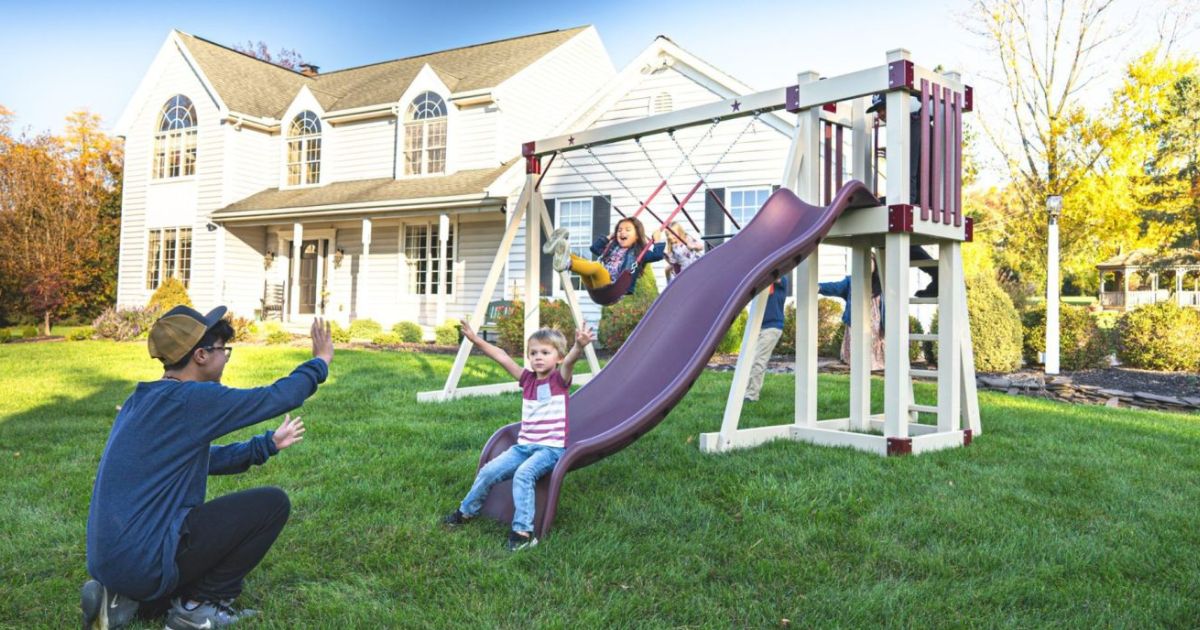
Few play elements deliver as much joy per square meter as swings. The gentle rhythm soothes babies, while older children chase speed and height. Beyond fun, swings build vestibular balance, core strength, and a sense of body control. A well-chosen set of garden swings can evolve from baby swings with bucket seats to belt seats and tire swings, making it one of the most versatile investments in outdoor play. Because swings invite daily use, their design and installation deserve careful thought.
Types of swings for different ages
Baby swings: Bucket or full-support seats cradle infants and toddlers. Look for high backs, harness points, and smooth edges. Some models recline for sleepy afternoons.
Kids swings: Flat belt seats, molded plastic seats, or soft-grip rope seats suit preschoolers and grade-schoolers. Slight flexibility in the seat reduces pinch points.
Platform and nest swings: Large round or oval platforms let multiple children ride together. They also welcome kids who prefer lying down or need extra support.
Therapeutic and sensory swings: Cocoon-style or hammock swings provide deep pressure and calm overstimulated children.
Garden swings for adults: A bench swing or glider nearby invites caregivers to supervise comfortably, extending play sessions.
Frame materials and configurations
A-frame swing sets remain popular because they are stable and straightforward to build. Cedar or treated lumber blends into gardens, while powder-coated steel offers slim profiles and minimal maintenance. For compact yards, a single-post cantilever design fits a corner and still allows a generous swing arc. Wall-mounted brackets under a porch beam can host one or two swings if the beam is properly engineered. Always confirm that posts extend deep enough—typically one third of their length below grade—and are anchored with concrete or heavy-duty ground screws rated for your soil.
Planning the layout and clearances
Safe swinging requires open space. Leave at least twice the swing chain length in front and behind the seat, plus a buffer on both sides. Avoid placing kids swings near fences, low branches, or patios where other activities happen. If space is tight, stagger seat heights so arcs do not collide. For a multi-swing beam, keep a minimum of 24 inches between hangers; wider spacing reduces bumping. Place baby swings at one end to simplify supervision and to separate slow-moving toddlers from older siblings who pump high.
Choosing the right hardware
Quality hardware determines whether swings remain smooth and quiet. Use heavy-duty swing hangers with nylon or bronze bushings to reduce squeaks. Carabiners or clevis connectors rated for outdoor use make swapping seats easy. Stainless-steel or hot-dip galvanized chains resist rust; add soft-grip coatings for small hands. For rope swings, choose marine-grade braided rope and inspect frequently for fray. Always cap exposed bolt threads and use lock nuts to prevent loosening over time.
Safety surfacing under swings
Because most playground falls happen from swings, impact-absorbing surfacing is essential. Engineered wood fiber, shredded rubber, or poured-in-place rubber each offer tested fall attenuation. Maintain the depth recommended by the manufacturer—often 9 to 12 inches for loose fill—and rake material back under the paths that feet carve. For a natural look, combine a rubber wear mat directly under the push zone with wood fiber across the rest of the area. Avoid hard surfaces like concrete or packed soil, which can cause injuries even from low heights.
DIY installation steps
1) Mark the layout with stakes and string to visualize clearances.
2) Dig post holes to the frost line, typically 24–36 inches, and ensure they are square and level.
3) Set posts with concrete or ground screws, checking for plumb from two directions.
4) Attach the top beam with rated brackets or lap joints and bolts.
5) Install swing hangers at measured intervals and test their movement before adding seats.
6) Hang baby swings first to verify height, then adjust kids swings so shoes clear the ground by 12–16 inches.
7) Spread surfacing last and compact lightly.
Maintenance for quiet, reliable swings
Monthly checks keep garden swings safe. Tighten bolts, replace worn bushings, and oil metal hangers lightly to prevent squeaks. Inspect chains for rust or sharp points. For rope seats, trim and melt frayed ends. Wash plastic seats with mild soap to remove grime and pollen. In winter climates, store fabric or net swings indoors to prevent mildew and prolong life. Keep a small toolkit nearby so repairs never wait for the next free weekend.
Weatherproofing tips
Protect wood frames with an annual coat of outdoor sealant or stain. For metal frames, touch up chips with rust-resistant paint. Choose UV-resistant polymer seats and ropes that do not fade quickly. Install a shade sail if the set bakes in afternoon sun; it keeps seats cooler and lets kids swing longer. In windy regions, unclip lightweight nest swings during storms to avoid twisting or striking the frame.
Design ideas that keep kids engaged
Swings can anchor an entire play circuit. Add a slackline parallel to the beam for balance practice, or connect a small climbing wall to the swing frame so kids alternate between climbing and flying. A chalk line on the ground that marks “launch zones” turns swinging into a game. For toddlers, hang sensory elements—wind chimes, textured ribbons—near the baby swing. Build a simple storage bench nearby so swapping from garden swings to balls or sand toys is easy. Consider lighting: a soft solar path light allows gentle swinging during summer evenings.
Inclusive swing choices
To welcome every child, include a molded adaptive seat with harness or a platform swing that allows various sitting and lying positions. Pair these with a wheelchair-accessible path so friends can help push safely. When kids see different types of swings side by side, inclusion becomes normal, and everyone gets more chances to participate.
Etiquette and play rules
Simple rules prevent most conflicts. Teach kids to wait beside the swing post, not behind the moving arc. Encourage the phrase, “Ready to hop off?” before slowing a sibling. Remind children to hold chains with two hands and to sit facing forward—no twisting until they are older and supervised. Set a timer for busy playdates so everyone gets turns on the most popular kids swings.
When to replace instead of repair
Retire swings if you see deep cracks in plastic seats, severe rust on chains, or wobble in the main beam. If the frame has shifted more than a few degrees, it may be safer to rebuild than re-level. Replacing worn baby swings with new harness models ensures the youngest riders stay secure. When in doubt, consult manufacturer weight limits and err on the side of safety.
Blending swings with garden aesthetics
Swings need not look like a commercial playground. Stain wood to match the deck, or plant climbing vines on the side supports for a green tunnel effect. Use natural rope and wooden disc seats for a rustic feel, or choose sleek black hardware for a modern look. Surround the swing zone with lavender, mint, or lemon balm to create a scented breeze as kids move. A simple gravel or paver path from the patio keeps shoes clean and invites adults to join in.
Closing thoughts
From the first gentle push in a baby swing to the thrill of pumping high on garden swings, few childhood memories are as lasting. By selecting quality hardware, planning clearances, and maintaining surfaces, you can keep your swing set safe and inviting for years. Swings invite movement, conversation, and laughter—and they do it in a compact footprint that suits most yards. Start with one secure seat, expand as children grow, and enjoy the rhythm that turns any backyard into a beloved retreat. For more ideas and gear inspiration, visit Copfer .